
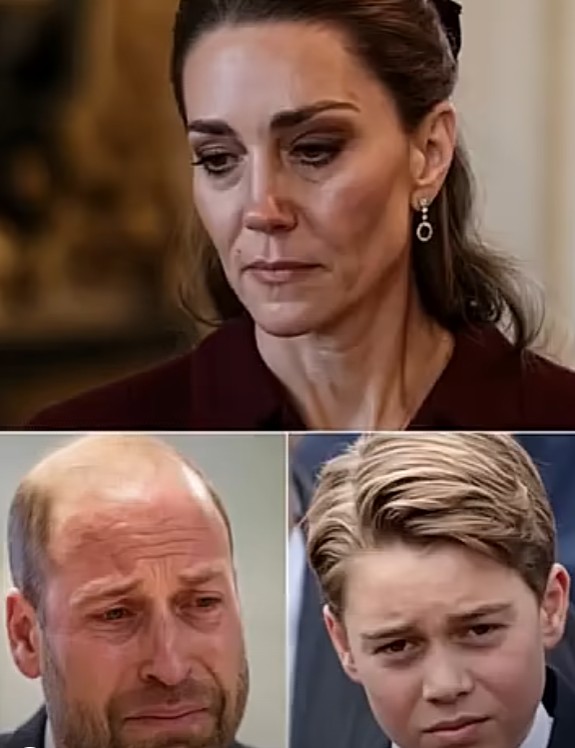
Catherine’s Reported Two-Word Reply About Prince William Adds a Personal Note to Cancer Reception
Conversations at St James’s Palace Connected a Public Cause With Private Experiences of Support
A brief response attributed to Catherine, Princess of Wales, brought an affectionate note to an evening devoted to cancer research. During a conversation at St James’s Palace, singer Ronan Keating reportedly expressed regret that Prince William could not attend.
“Me too,” Catherine replied.
The exchange was described in accounts of the June 2, 2026, reception. William was carrying out duties elsewhere, and Catherine’s response expressed a wish for his presence without offering a wider statement about their marriage.
The occasion carried personal significance for the princess following her own cancer treatment. Another reported conversation, involving the family of the late campaigner Dame Deborah James, also highlighted the importance of support during illness.
Together, the encounters gave the reception a human dimension beyond its formal setting. Their meaning rests in the companionship and kindness described, while the private experiences behind them remain larger than a few publicly reported words.
An Evening Centered on Cancer Research
The reception took place at St James’s Palace on June 2. Its purpose placed cancer research and the people connected with that work at the center of the gathering.
For Catherine, the subject was connected to experiences she had already discussed publicly. She announced her cancer diagnosis in March 2024 and later shared updates about treatment and recovery.
Her presence therefore carried a significance beyond the duties associated with attending a royal engagement. She was participating in an occasion linked to a condition that had affected her own family life.
That personal connection did not make every conversation a medical disclosure. Nor did attendance provide a new assessment of her health.
Instead, the setting allowed discussions about research, care, and support to take place among people whose reasons for being there could differ. Some connections were professional, while others were rooted in personal or family experience.
The reported exchange about William occurred within that broader purpose. It was a small moment during an event whose significance extended well beyond the royal couple.
A Short Response Rather Than a Formal Declaration
The appeal of Catherine’s reported reply lies partly in its simplicity. It did not require a speech or a prepared explanation.
Keating’s remark concerned someone absent from the room. Her response, as described, acknowledged that she would also have welcomed William’s company.
That is an affectionate sentiment, but its limits matter. Two words cannot establish the complete emotional condition of a marriage or explain everything a couple has experienced together.
There is also no need to attach a dramatic revelation to the exchange. The ordinary wish to share an occasion with a partner is understandable without being treated as a hidden announcement.
Public interest can sometimes enlarge a passing remark into a sweeping conclusion. Here, the more careful interpretation preserves the moment’s warmth while leaving its scope intact.
Catherine reportedly wanted William beside her at that particular event. Anything more detailed about their private relationship would require information the exchange did not supply.
Her Public Health Updates Provide Important Context
Catherine announced in March 2024 that she had been diagnosed with cancer. In September of that year, she said she had completed chemotherapy.
She disclosed in January 2025 that she was in remission. Those announcements marked separate stages in the information she chose to share publicly.
The distinction between those stages is important. A diagnosis, completion of treatment, and an announcement of remission are related developments, but they are not interchangeable descriptions.
They also do not reveal every part of the personal experience surrounding illness. The effects on family routines, uncertainty, and recovery remain only partly visible to an outside audience.
That history explains why an event connected with cancer research could carry particular meaning for her. It does not allow observers to infer medical details from a brief conversation.
Likewise, her wish for William’s presence should not be treated as evidence of a new health concern. The reported remark concerned companionship, not a clinical update.
Another Conversation Recalled William’s Kindness
The account also describes Catherine speaking with Sebastien Bowen, the husband of the late cancer campaigner Dame Deborah James. He reportedly expressed appreciation for the kindness William had shown their family.
That conversation introduced a different perspective on support. Rather than a wish for someone to be present, it concerned the lasting value of care already offered.
Appreciation expressed later can show that an encounter remained meaningful to the person remembering it. The account does not require every detail of the family’s experience to be made public for that gratitude to be understood.
Bowen’s reported comments also connected William to the occasion despite his absence. His name arose through the experience of another family, rather than solely through discussion of royal attendance.
The distinction gives the two conversations different emotional roles. Catherine’s reply concerned the present moment; Bowen’s appreciation recalled earlier support.
Both belonged within an evening centered on a cause that can involve patients, relatives, campaigners, and those trying to improve care. Neither needed to become an elaborate public statement to carry significance.
Companionship and Care Formed the Common Thread
Placed beside one another, the encounters share a theme without telling the same story. One acknowledges the comfort of a partner’s company, while the other remembers compassion shown to a family.
Their connection is the importance of people being present for one another. That presence may mean attending an occasion together or offering support during a difficult period.
Such gestures can be meaningful without being dramatic. Their significance often comes from the circumstances in which they occur and the relationships surrounding them.
The palace setting made these conversations publicly interesting, but their emotional content was recognizable beyond royal life. Wanting someone close by and remembering another person’s kindness are familiar experiences.
That familiarity helps explain why the brief reply attracted attention. It brought an ordinary sentiment into a formal occasion without turning it into a comprehensive account of private life.
The same restraint allows Bowen’s appreciation to retain its dignity. Gratitude can be acknowledged without assuming access to every event that prompted it.
What the Reported Moment Can—and Cannot—Show
The reception itself is documented, while the two-word exchange should continue to be presented as reported. The wording matters because it distinguishes an attributed account from a fully established transcript.
Even accepting the account as described, it supports a modest conclusion. Catherine acknowledged that she wished William could have attended.
It does not establish a change in their relationship, reveal a previously unknown family difficulty, or provide a new account of her treatment. Those interpretations would move beyond the information supplied.
Nor does William’s absence imply a problem. The account places him at other duties, giving a practical explanation for why they were not together at the reception.
Keeping those boundaries clear does not take away the warmth. It allows the exchange to remain a small personal moment rather than burdening it with claims it cannot support.
The evening’s deeper importance remained its focus on cancer research and the people affected by illness. Within that setting, a brief wish for companionship and an expression of gratitude offered quiet reminders of why support matters.