
The Surprising History of the Shoe Horn: A Simple Tool That Stood the Test of Time
An Internet Mystery With a Simple Answer
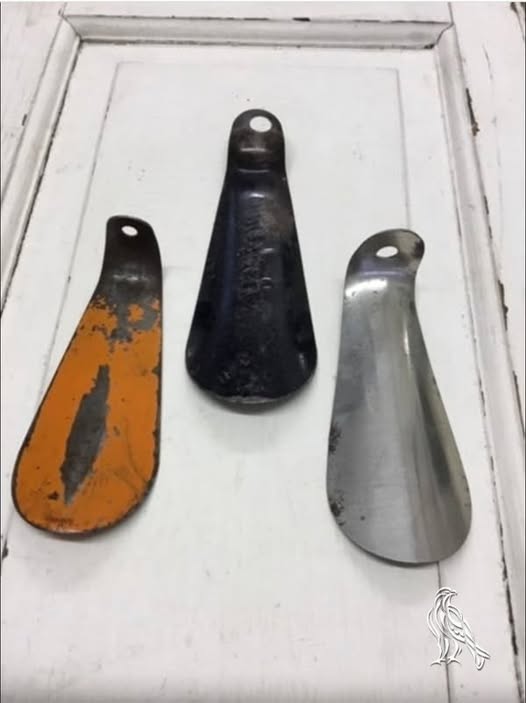
The internet recently found itself debating the purpose of a strange-looking object from the past. At first glance, many people were unsure what they were looking at.
Some guessed it was a kitchen utensil, while others believed it might be a decorative piece or part of an old machine. The unusual shape led to a wide range of theories.
In reality, the answer was much simpler than many expected. The mysterious object was a shoe horn, a practical tool that has been helping people put on shoes for centuries.
A Small Tool With a Long History
Although it may appear ordinary today, the shoe horn has a surprisingly long history. Records of similar tools date back to the 15th century.
Early shoe horns were commonly made from materials that were readily available. Animal horn, bone, and wood were among the most popular choices because they were durable, smooth, and easy to shape.
These materials allowed people to create a simple device that could guide the foot into a shoe while protecting both the footwear and the wearer.
Why Shoe Horns Became Essential
Footwear from earlier centuries was often much stiffer than modern shoes. Many designs lacked the flexibility and comfort people expect today.
As a result, putting on shoes could be difficult, especially when the footwear was new or made from rigid materials.
A shoe horn solved this problem by helping the heel slide smoothly into place. This reduced strain on the shoe and prevented unnecessary damage.
Because shoes could be expensive and difficult to replace, preserving them was important. Even a simple tool that extended the life of footwear was considered valuable.
The Evolution of Shoe Horn Design
As manufacturing techniques improved, shoe horns began to evolve. Craftsmen started producing them from metals such as brass and steel.
Metal versions offered greater durability and often featured a polished appearance. These designs could withstand years of daily use while maintaining their shape.
Over time, the shoe horn became more than just a practical accessory. Some versions reflected the craftsmanship and style of the period in which they were made.
Modern Materials and Wider Availability
During the 19th and 20th centuries, new manufacturing methods made shoe horns more affordable and accessible.
Plastic and other modern materials allowed mass production, making the tool available to a much larger number of households.
As costs decreased, shoe horns became common items found in homes, shoe stores, and dressing areas.
Despite changes in materials, the overall design remained remarkably similar to earlier versions.
When Practicality Met Style
Not every shoe horn was designed solely for utility. Some were crafted as decorative objects that reflected personal taste and status.
Luxury versions featured silver construction, carved handles, and detailed decorative elements. These pieces combined function with elegance.
For wealthier households, a shoe horn could serve as both a useful tool and an attractive accessory.
Many of these finely crafted examples are now valued by collectors who appreciate their design and historical significance.
How a Shoe Horn Works
The purpose of a shoe horn has remained consistent throughout its long history.
When putting on a shoe, the curved tool is placed inside the back opening. The foot then slides along the smooth surface and into position.
This process prevents the heel section of the shoe from being crushed or bent out of shape.
By reducing stress on the shoe’s structure, a shoe horn helps maintain the original form of the footwear and can contribute to a longer lifespan.
Ideal for Different Types of Footwear
Shoe horns are especially useful for footwear with narrow openings or firm construction.
Dress shoes, boots, and other structured styles often benefit from the extra support provided by the tool.
Instead of forcing a foot into place, users can guide it smoothly into the shoe while minimizing wear and tear.
This simple action helps preserve both comfort and appearance over time.
Different Sizes for Different Needs
Shoe horns are available in a variety of sizes and designs.
Short versions are compact and convenient. They can be stored near an entryway or packed in luggage for travel.
Long-handled shoe horns provide additional convenience, especially for people who find bending difficult.
Older adults, individuals with mobility challenges, and those experiencing back discomfort often prefer longer models because they allow shoes to be put on while standing.
This added comfort has helped keep shoe horns relevant even in modern households.
Still Useful in the Modern World
Although some people view shoe horns as old-fashioned, they continue to serve a practical purpose today.
They can be found in homes, hotels, shoe shops, and dressing rooms around the world.
Their usefulness has remained unchanged despite major advances in footwear design and manufacturing.
Many people continue to rely on them as a quick and effective way to protect their shoes while making daily routines more convenient.
A Favorite Among Collectors
Antique shoe horns have become collectible items for enthusiasts interested in everyday historical objects.
Older examples often feature distinctive craftsmanship, unusual materials, and decorative details that are rarely seen in modern versions.
Collectors value these pieces not only for their appearance but also for the glimpse they provide into past lifestyles.
They represent a time when even ordinary household tools were often designed with considerable attention to detail.
A Design That Has Endured for Centuries
One of the most remarkable aspects of the shoe horn is how little it has changed over time.
Its design is simple, effective, and practical. Because it performs its task so well, there has been little need for significant redesign.
Generations of people have used the same basic concept to make putting on shoes easier and to protect their footwear from unnecessary damage.
Few everyday objects can claim such a long and consistent history of usefulness.
The Truth Behind the Mystery Object
While the internet may have been puzzled by the unusual-looking item, its identity turned out to be surprisingly straightforward.
The object was not a forgotten machine part, a decorative artifact, or a complicated device.
It was simply a shoe horn, a practical invention that has quietly helped people for hundreds of years.
Its enduring popularity demonstrates how a simple solution can remain valuable across generations, proving that sometimes the most effective tools are also the simplest.