
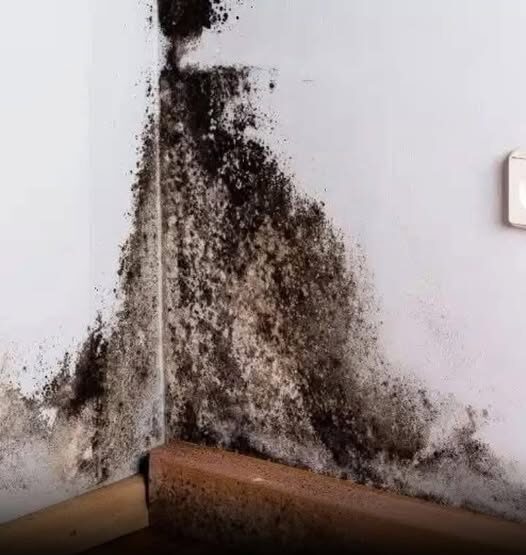
What Small Dark Marks on Walls and Ceilings May Be Telling You About Your Home
Why These Spots Should Not Be Ignored
Small dark marks that appear in the corners of walls or along ceiling lines are often dismissed as nothing more than ordinary household dust or minor staining.
Because they can develop slowly and remain relatively unnoticed at first, many homeowners do not pay much attention to them. In some cases, a quick wipe may even seem to make the issue disappear temporarily.
However, when the marks continue to spread, return after cleaning, or become more noticeable over time, they can indicate that excess moisture is present inside the home.
Recognizing these early warning signs can be important for maintaining both the condition of the property and the comfort of the indoor environment.
While the marks themselves may appear minor, they can serve as visible clues that moisture is collecting in places where it should not be.
How Moisture Builds Up Indoors
Excess moisture inside a home does not always result from a major problem. In many cases, it develops gradually through normal daily activities.
Simple routines such as cooking meals, taking showers, washing clothes, and even sleeping can contribute moisture to the air.
Over time, this humidity can accumulate, especially in areas where ventilation is limited.
Bathrooms are among the most common locations where moisture levels rise. Hot showers and baths release significant amounts of water vapor into the air.
Kitchens can create similar conditions through boiling water, cooking food, and regular cleaning activities.
Laundry rooms may also contribute to indoor humidity, particularly when ventilation is not sufficient.
Bedrooms can become affected as well, especially when airflow is restricted and windows remain closed for long periods.
Although these activities are a normal part of everyday life, the moisture they generate can gradually influence indoor conditions.
The Role of Condensation
One of the most common ways moisture becomes visible is through condensation.
When warm, humid air meets cooler surfaces, water can form on walls, ceilings, windows, and other areas within the home.
This process may happen repeatedly without attracting immediate attention.
As condensation develops over time, it can create conditions that encourage staining and discoloration.
The corners of rooms and areas near ceilings are often more vulnerable because airflow may be weaker in these locations.
As a result, moisture can remain present longer than expected.
The appearance of dark marks in these areas may therefore serve as an indication that condensation is occurring on a regular basis.
Even when the amount of moisture seems small, repeated exposure can gradually affect visible surfaces.
Areas Most Commonly Affected
Certain parts of a home are more likely to develop moisture-related discoloration than others.
Corners where two walls meet often experience reduced air movement.
Ceiling edges can also become affected because temperature differences may be more noticeable there.
Rooms that experience frequent humidity fluctuations are particularly susceptible.
Bathrooms, kitchens, and laundry areas frequently appear on the list of locations where dark marks may first become visible.
However, the issue is not limited to these spaces alone.
Poorly ventilated bedrooms can also experience moisture buildup, especially when windows remain closed and airflow is restricted.
Any room where humidity remains elevated for extended periods may develop similar signs.
Factors That Can Make the Problem Worse
Several household conditions can increase the likelihood of moisture accumulation.
Limited airflow is one of the most significant contributing factors.
When air cannot circulate freely, humidity may remain trapped inside a room rather than being dispersed.
Furniture placed directly against walls can further reduce airflow.
Large pieces such as wardrobes, cabinets, and shelving units may create areas where moisture becomes trapped.
These hidden spaces can sometimes develop discoloration before the rest of the room shows visible signs.
Insufficient insulation may also contribute to the issue.
Cooler wall surfaces can increase the chances of condensation forming when they come into contact with warm, moist air.
Even relatively small temperature differences may encourage moisture to collect repeatedly in the same locations.
Minor leaks can create additional challenges.
A leak does not always need to be dramatic to affect indoor conditions.
Small amounts of water entering through plumbing systems, roofing materials, or other areas may gradually contribute to persistent dampness.
Recognizing Recurring Patterns
A single dark mark may not necessarily indicate a widespread problem.
However, recurring patterns deserve closer attention.
If a surface is cleaned and the discoloration returns repeatedly, it may suggest that the underlying cause has not been addressed.
Homeowners often notice that certain spots reappear in the same locations.
Corners, ceiling edges, and areas behind furniture are common examples.
The continued return of these marks can point toward ongoing moisture exposure.
Observing where and how frequently discoloration develops may provide useful clues about the source of the issue.
Improving Ventilation Throughout the Home
One of the most practical steps for reducing indoor moisture involves improving ventilation.
Allowing fresh air to move through living spaces can help lower humidity levels and reduce the conditions that encourage condensation.
Opening windows when weather conditions permit may help increase air circulation.
This simple action can allow humid indoor air to be replaced more effectively.
Exhaust fans can also play an important role.
Bathrooms and kitchens often benefit from mechanical ventilation designed to remove excess moisture generated during everyday activities.
Using these systems consistently may help limit humidity buildup.
Encouraging better airflow between rooms can also support moisture control.
When air circulates more freely, moisture is less likely to remain concentrated in specific locations.
Additional Moisture Control Measures
In areas where damp conditions are common, additional moisture-management tools may be useful.
Dehumidifiers can help reduce humidity levels within indoor spaces.
By removing excess moisture from the air, they may contribute to a more balanced environment.
Moisture absorbers can provide another option in certain situations.
These products are often used in locations where airflow is limited or where dampness tends to develop repeatedly.
Although such measures may help manage humidity, they are most effective when combined with efforts to improve ventilation and address the source of moisture.
Controlling indoor humidity often requires a combination of approaches rather than relying on a single solution.
Maintaining Walls and Ceilings
Cleaning affected surfaces can help maintain the appearance of walls and ceilings.
Following manufacturer recommendations is important when dealing with discoloration or staining.
Different materials may require different cleaning methods.
Using appropriate products and techniques can help avoid unnecessary surface damage.
Regular maintenance may also make it easier to identify new areas of concern.
When walls and ceilings are inspected periodically, changes can often be noticed earlier.
Early observation may provide an opportunity to address moisture-related conditions before they become more difficult to manage.
Preventing Future Moisture Problems
Long-term prevention depends on identifying and addressing the underlying source of excess moisture.
Routine property maintenance can play an important role in this effort.
Checking gutters regularly may help ensure that water is directed away from the home as intended.
Roof inspections can assist in identifying areas where moisture may be entering from above.
Plumbing systems should also be monitored for signs of leaks or developing issues.
Even small amounts of water can contribute to recurring dampness when left unresolved.
Insulation deserves attention as well.
Proper insulation may help reduce temperature differences that encourage condensation on interior surfaces.
Maintaining these systems can support a more stable indoor environment and reduce the likelihood of recurring discoloration.
The Importance of Monitoring Indoor Humidity
Keeping track of indoor humidity levels can provide valuable insight into the overall condition of a home.
Changes in humidity may reveal developing concerns before visible signs become widespread.
Monitoring conditions over time can help homeowners identify patterns that might otherwise go unnoticed.
When humidity remains elevated consistently, taking corrective action may help reduce future maintenance challenges.
Awareness of indoor moisture levels can support more informed decisions about ventilation, airflow, and property upkeep.
Even simple observations can contribute to a better understanding of how moisture behaves within the home.
When Professional Assistance May Be Needed
Sometimes discoloration continues to return despite efforts to improve ventilation and reduce humidity.
In these situations, hidden causes may be contributing to the problem.
Moisture can occasionally originate from areas that are not immediately visible during routine inspections.
If recurring dark marks persist, consulting a qualified professional may help identify underlying conditions that require attention.
Professional evaluation can assist in locating sources of dampness that might otherwise remain undetected.
Addressing these issues early may help prevent them from developing into larger maintenance concerns.
Taking action when warning signs first appear can contribute to preserving both the home and the indoor environment.
Although small dark marks may seem insignificant at first glance, they can provide important clues about moisture levels inside a property. Paying attention to these signs, improving ventilation, managing humidity, maintaining household systems, and addressing recurring issues promptly can help support a healthier and more comfortable living space over the long term.