
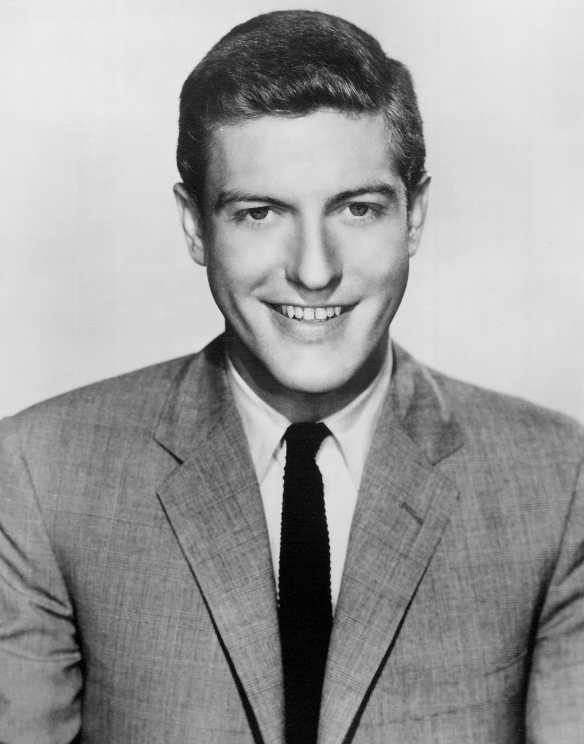
Dick Van Dyke’s Remarkable Journey Through Comedy, Film, Television, and Lasting Joy
Early Life and Family Roots
Richard Wayne Van Dyke was born on December 13, 1925, in West Plains, Missouri. His early years began in a modest family setting shaped by hard work, faith, and community values.
Not long after his birth, the family moved to Danville, Illinois, where he spent most of his childhood. The town became the backdrop for many of the experiences that helped form his personality and creative interests.
Growing up during the Great Depression gave Van Dyke a lasting appreciation for perseverance. Resources were often limited, but humor and imagination remained important parts of daily life.
His father, Loren Wayne Van Dyke, worked as a salesman, while his mother, Hazel Victoria, worked as a stenographer. Their household was built on warmth, storytelling, and togetherness.
Dick also shared his childhood with his younger brother, Jerry Van Dyke, who later became a successful actor and comedian. The two brothers often entertained family members with playful sketches and lighthearted routines.
A Young Performer Finds His Passion
From an early age, Van Dyke was fascinated by radio. During the 1930s and 1940s, radio was one of the leading forms of entertainment in American homes, and he spent many hours listening to comedy, music, and dramatic programs.
Those broadcasts sparked his imagination. He began copying announcers and performers, using impressions to entertain friends and relatives.
By high school, his talent for performance had become clear. He took part in school productions and became known for making others laugh with ease.
His expressive face, timing, and natural gift for physical comedy helped him stand out. Even before fame, he had the warmth and presence that would later define his career.
Van Dyke once considered becoming a preacher and thought seriously about theological school. Over time, however, his love of performing led him toward entertainment.
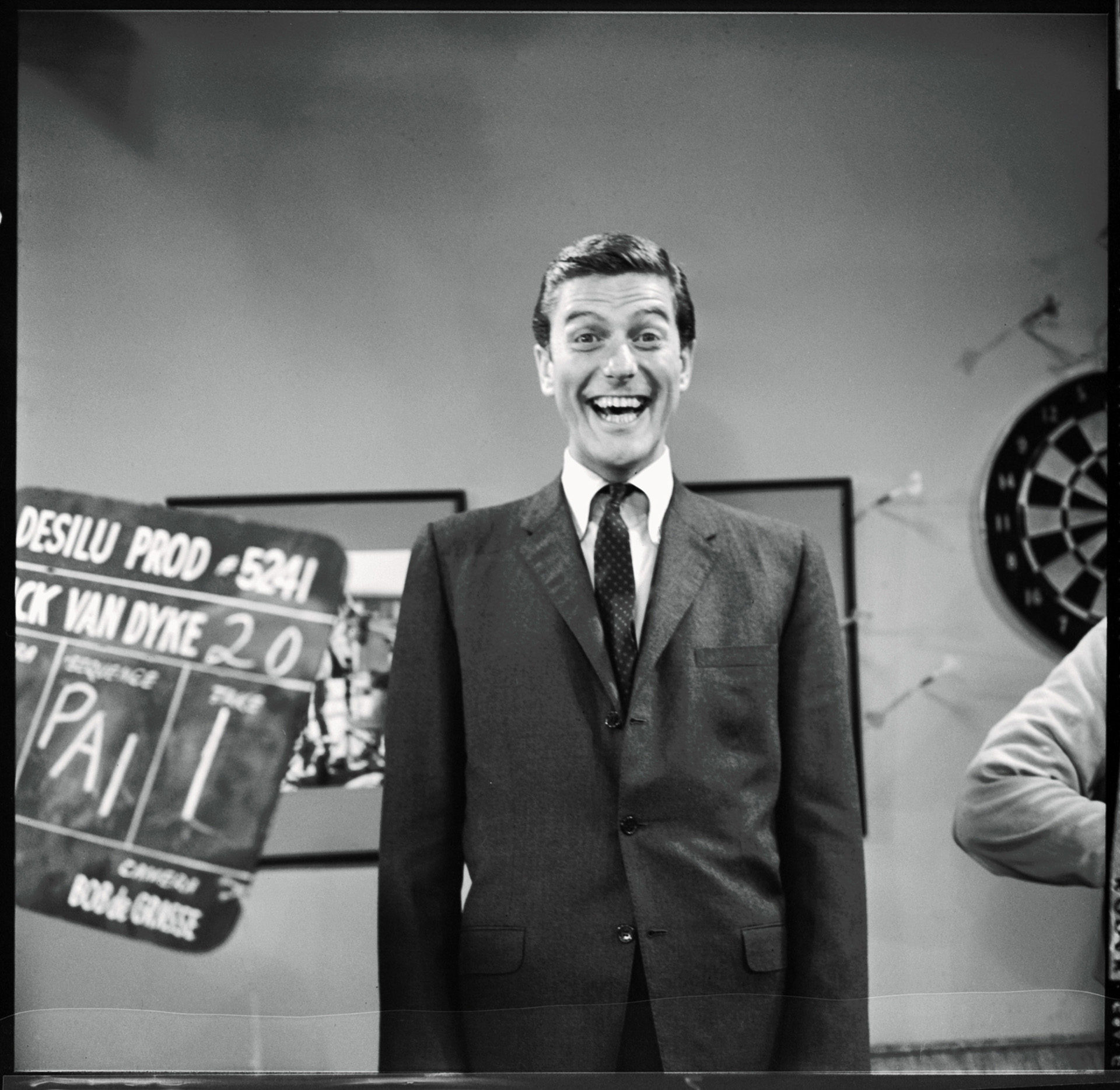
Military Service and Early Career
World War II changed the path of many young Americans, and Van Dyke was among them. In 1944, he enlisted in the U.S. Army Air Forces.
Because of his background in radio and performance, he served as a radio announcer and entertainer. He spent much of his service helping lift morale through entertainment.
Those experiences became valuable training. Performing for troops helped him build confidence, sharpen his stage presence, and strengthen his belief in the power of laughter.
After the war ended in 1945, Van Dyke returned to civilian life determined to pursue entertainment professionally.
He began with local radio work in Illinois, taking jobs as a disc jockey and announcer. The pay was modest, but the experience allowed him to improve his voice skills and professionalism.
The Road to Broadway and Television
In the late 1940s and early 1950s, Van Dyke formed a comedy act with Phil Erickson called The Merry Mutes. Their performances relied on pantomime, facial expressions, movement, and precise timing.
The act toured nightclubs, theaters, and smaller venues across the country. Audiences responded quickly to Van Dyke’s energetic style and joyful presence.
As television expanded during the 1950s, he began appearing on variety programs, game shows, and comedy segments. These appearances helped him gain wider recognition.
His major breakthrough came in 1960 when he was cast in the Broadway musical Bye Bye Birdie. He played Albert Peterson, a songwriter caught in the excitement surrounding a fictional teen idol’s military draft.
The production became a major success, and Van Dyke earned praise for his humor, movement, charm, and musical ability. He won the Tony Award for Best Featured Actor in a Musical.
Television Stardom
Following his Broadway success, Van Dyke stepped into the role that would make him one of television’s most beloved stars. He was cast as Rob Petrie in The Dick Van Dyke Show.
The series premiered in 1961 and followed a television comedy writer balancing his professional and home life.
Although the show was slow to build ratings at first, critics praised its writing and humor. Over time, audiences embraced it, and it became one of television’s most respected sitcoms.
Van Dyke’s performance displayed his full range. He could handle quick dialogue, heartfelt scenes, workplace comedy, and physical humor with equal ease.
His on-screen partnership with Mary Tyler Moore, who played Laura Petrie, became one of the series’ defining strengths. Their chemistry felt warm, playful, and natural.
The show ran from 1961 to 1966 and earned numerous honors. Van Dyke received multiple Primetime Emmy Awards for his performance.

Film Success and Musical Classics
While his television career flourished, Van Dyke also became a successful film star. His most iconic movie role arrived in 1964 when he played Bert in Mary Poppins.
Opposite Julie Andrews, he brought cheerful energy, movement, and musical charm to the film. His performance helped make the movie one of Disney’s most memorable successes.
Musical numbers such as “Chim Chim Cher-ee,” “Step in Time,” and “Supercalifragilisticexpialidocious” became lasting favorites.
His rooftop dance sequence remains one of the most recognizable moments in family film history.
In 1968, he starred in Chitty Chitty Bang Bang as Caractacus Potts, an inventor who creates a magical flying car. The film further strengthened his reputation as a performer who could blend imagination, humor, and music.
Later Career and Continued Popularity
Van Dyke continued working through the 1970s, including starring in The New Dick Van Dyke Show from 1971 to 1974. While it did not match the impact of his earlier sitcom, it showed that his charm remained strong.
During the 1980s and 1990s, he remained active in television and film. One of his biggest later-career successes began in 1993 with Diagnosis: Murder.
In the series, Van Dyke played Dr. Mark Sloan, a kindhearted physician who helped solve mysteries. The show ran for eight seasons, from 1993 to 2001.
His real-life son, Barry Van Dyke, appeared alongside him as Detective Steve Sloan. Their family connection added warmth to the series.
The show proved that Van Dyke’s appeal extended far beyond traditional comedy roles.
A Legacy Across Generations
In 2006, Van Dyke appeared in Night at the Museum as Cecil, one of the museum guards involved in the story’s magical events. The role introduced him to younger audiences.
In 2018, he returned to the world of Mary Poppins with a cameo in Mary Poppins Returns. His appearance became a nostalgic highlight for longtime fans.
Even in his nineties, Van Dyke displayed the same lively energy that had defined much of his career.
Across his lifetime of work, he earned numerous honors, including five Primetime Emmy Awards, a Tony Award, a Grammy Award, the Screen Actors Guild Life Achievement Award in 2013, and the Kennedy Center Honor in 2021.
He has also been admired for speaking openly about personal growth and the importance of learning from life experiences.

Enduring Influence and Joy
Van Dyke’s influence reaches across stage, television, and film. His blend of dialogue-driven comedy, music, dance, and physical humor inspired many performers who followed.
The Dick Van Dyke Show remains admired for its mix of workplace humor and family storytelling. Its writing and character relationships continue to feel fresh to new viewers.
Van Dyke also became known for his optimism and commitment to staying active. He often emphasized the value of movement, curiosity, and humor.
“Keep moving—that’s the secret,” he once famously said. “The minute you stop, you’re old.”
That philosophy became part of his public identity. Fans admired not only his performances but also his joyful outlook.
From radio to Broadway, classic television, family films, and later appearances, Dick Van Dyke built a career defined by warmth and endurance.
His legacy is measured not only in awards or famous roles, but in the laughter and comfort he brought to generations of viewers.
Dick Van Dyke’s story is one of talent, perseverance, kindness, and lasting joy. His work continues to remind audiences that humor, creativity, and a generous spirit can leave an impact that never fades.