
Why Some U.S. Dollar Bills Have Strange Marks on Them
A Detail Many People Notice
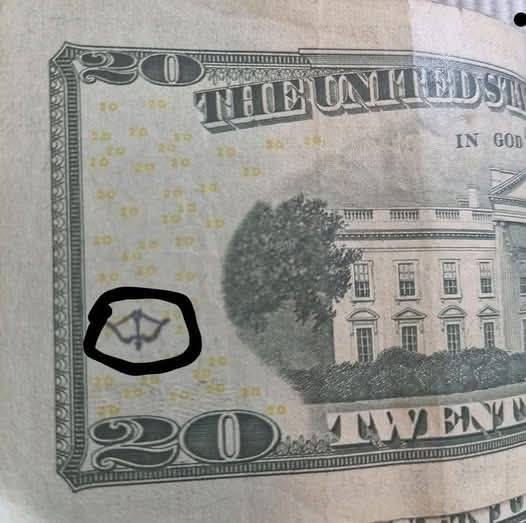
Anyone who studies a U.S. dollar bill closely may spot something unexpected. Some notes carry tiny symbols, small stamps, or unusual shapes that do not appear to belong to the official printed design.
These marks can look like stars, arrows, numbers, or simple abstract patterns. Because they seem out of place, many people assume they were added randomly or have some hidden meaning.
In reality, these markings often come from a practical tradition tied to global commerce and the movement of cash across borders.
What These Marks Are Called
The small symbols are commonly known as chop marks. They are added after the bill enters circulation and are not part of the original printing process.
Rather than being decorative, they usually serve as a sign that someone handling the currency has already checked it and accepted it as genuine.
That means the bill has likely passed through hands that wanted quick visual proof before using it in another transaction.
Why They Are Added
In some parts of the world, counterfeit money has been a long-standing concern. When people frequently exchange cash in busy markets, speed and trust matter.
A money changer, merchant, or currency handler may inspect a bill and then place a small stamp on it. That mark tells the next person the note has already been examined.
Instead of repeating the same process every time, later users may rely on that earlier approval as an added layer of confidence.
A Silent Form of Verification
Chop marks work as a simple visual signal. They communicate that the note was considered acceptable at the time it changed hands.
Even a small symbol can help move business along faster in markets where many cash transactions happen throughout the day.
For people who depend on experience more than machines, a quick stamp can become part of an efficient routine.
The History Behind the Practice
The idea behind chop marks reaches back centuries. In earlier times, merchants used stamps on silver coins to confirm weight and purity.
This practice became especially well known in China, where traders relied on physical markings to show a coin had been tested.
Over time, the tradition remained useful even as commerce changed and paper currency became more common.
How It Shifted to Paper Money
As international trade expanded, merchants adapted old habits to new forms of money. Instead of marking coins, they began marking banknotes.
Paper currency that moved through multiple countries often needed a way to show it had already been checked.
The U.S. dollar became a natural candidate because of its broad use in many parts of the world.
Why U.S. Dollars Are Often Marked
The U.S. dollar has long been one of the most widely recognized currencies in circulation. Because it is commonly exchanged and accepted internationally, it frequently passes through foreign markets.
When a dollar bill changes hands in places where verification matters, it may receive a stamp from someone who inspected it.
That helps explain why some notes return to the United States carrying marks added elsewhere.
Every Mark Tells Part of a Story
Each stamp represents a moment in the bill’s journey. It may have moved through a shop, an exchange counter, or a busy market before returning to another pocket or register.
Though the bill looks ordinary at first glance, those extra symbols suggest it has traveled far beyond where it was first issued.
In that sense, chop marks can turn everyday currency into a small record of movement and trust.
Do These Marks Make the Bill Worth Less?
Small chop marks do not automatically reduce the value of a dollar bill. They do not change the denomination or cancel its status as legal tender.
A marked one-dollar bill is still a one-dollar bill. A marked twenty remains worth twenty dollars.
The presence of stamps may look unusual, but the bill itself still carries its stated value.
Possible Everyday Issues
Even though the currency remains valid, heavily marked notes can sometimes create minor inconveniences.
Machines that accept cash may reject bills with extra ink or visible wear. Some banks or cashiers may also take a closer look simply because the note appears uncommon.
That extra attention is usually about appearance rather than value.
Damage vs. Acceptable Wear
There is an important difference between markings and destruction. Currency laws generally focus on damage that removes value or makes the bill unusable.
Small stamps such as chop marks usually do not cross that line when the note remains identifiable and functional.
As long as the bill can still be recognized, counted, and used, it normally continues to circulate.
Why People Find Them Interesting
Many people enjoy discovering unusual bills because they stand out from standard notes. A tiny stamp can raise questions about where the money has been and who handled it.
Unlike fresh bills from a bank, marked currency often feels like it carries a visible past.
That sense of mystery is part of why people notice these details so quickly.
An Ordinary Bill With an Unusual Journey
Most currency moves silently from one transaction to the next. Chop marks reveal that some notes travel through far more places than expected.
They reflect systems of trust built by people who relied on quick inspection and practical experience.
So if you ever spot a strange symbol on a dollar bill, you may be holding more than cash. You may be holding a small traveler that crossed borders, entered other markets, and came back carrying proof of where it has been.