
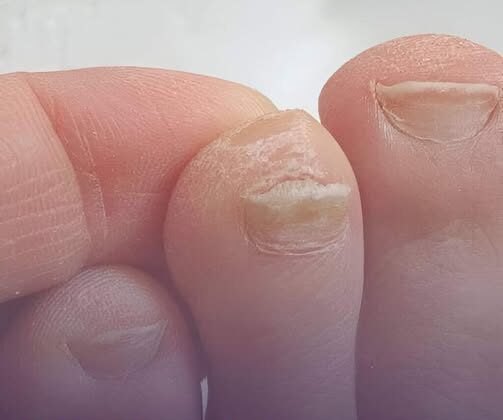
What Thick Toenails Could Be Telling You About Your Health
Why Thickened Toenails Should Not Be Ignored
Many people pay little attention to their feet until they notice a significant change, such as unusually thick toenails. While some may consider it only a cosmetic issue, thickened nails can sometimes be a warning sign of an underlying problem that deserves attention.
Changes in nail thickness, color, or texture can develop gradually and may indicate infections, injuries, or certain medical conditions. Understanding the possible causes can help prevent more serious complications later.
Common Causes of Thick Toenails

The feet naturally provide a warm and moist environment where fungi, yeasts, and molds can thrive. Because of this, fungal infections are among the most common causes of thickened toenails.
Exposure to public swimming pools, locker rooms, communal showers, and even some salon environments can increase the risk of infection. In many cases, the problem begins on the skin and later spreads to the toenails.
One common condition is onychomycosis, a fungal infection that causes a new nail to develop beneath the infected one, leading to increased thickness and discoloration.
Another cause is onychauxis, also known as onychogryphosis. This condition may develop due to injuries or health conditions such as diabetes or psoriasis and often results in thick, yellow, or curved nails.
Onycholysis can also affect the nails. This occurs when the nail separates from the nail bed, often due to trauma, allergic reactions, psoriasis, or repeated nail damage.
Symptoms That May Accompany Thickened Toenails

Thick nails are often accompanied by other noticeable changes. These symptoms can help identify whether an infection or another condition is present.
Affected nails may become scaly, chalky, brittle, or crumbly. In some cases, they split easily or develop rough edges.
Discoloration is also common. Nails may appear yellow, green, brown, or develop uneven patches of color.
Some nails begin lifting away from the nail bed, creating a gap underneath where dirt and debris can collect.
An unpleasant odor may also develop, especially when a fungal infection is involved.
Possible Complications

Although many people ignore thickened toenails for long periods, untreated conditions can sometimes lead to more serious problems.
As infections progress, they may cause permanent damage to the nail and surrounding tissue. In severe cases, the affected nail may eventually fall off.
Some infections can spread deeper into the toe and surrounding structures, increasing the risk of complications involving bones and soft tissues.
Additional concerns include cellulitis and, in rare situations, severe infections that may contribute to sepsis.
Addressing symptoms early can help reduce the likelihood of these complications.
Treatment Options
Treating toenail infections can be challenging because medications often have difficulty penetrating the thick nail tissue.
For mild cases, soaking the feet before applying antifungal treatments may improve effectiveness. A common method involves soaking the nails in a mixture of one part vinegar and three parts warm water for 10 to 40 minutes.
After soaking, it is important to dry the feet thoroughly before applying any topical treatment.
Various over-the-counter products are available for fungal infections. Some individuals also use tea tree oil or Vicks VapoRub as part of their treatment routine.
Prescription topical medications such as amorolfine, ciclopirox, and efinaconazole may be recommended when stronger treatment is needed.
More advanced infections may require oral medications including fluconazole, griseofulvin, itraconazole, or terbinafine. These treatments are often taken for several months.

Laser Therapy and Advanced Care
Laser therapy is another option for treating stubborn nail infections. The light penetrates the nail and targets infected tissue beneath the surface.
Different laser treatments are available, and the most appropriate choice depends on the individual condition and severity of the infection.
In some cases, complete removal of the affected nail may be necessary when other treatments have not been successful.
Recovery and Nail Regrowth
Even after treatment has eliminated an infection, recovery can take time. Healthy toenails grow slowly, and full replacement of a damaged nail may take several months or even a year.
Following the prescribed treatment plan throughout the recovery period is important for preventing recurrence.
Maintaining proper hygiene and using separate nail clippers for infected nails can help stop the infection from spreading to healthy nails.
Risk Factors
Anyone can develop thickened toenails, but certain factors increase the likelihood of experiencing the condition.
Poor foot hygiene, infrequent nail trimming, and wearing poorly fitting shoes can all contribute to nail problems.
Regular exposure to public showers, locker rooms, and swimming pools may increase the risk of fungal infections.
Foot injuries, athlete’s foot, frequent pedicures, and tobacco use are also associated with a higher risk.
Individuals undergoing radiation therapy, chemotherapy, or taking medications that weaken the immune system may be more vulnerable as well.
Medical conditions that affect circulation or immune function can further increase the likelihood of developing toenail problems.
How to Help Prevent Thickened Toenails
Good foot hygiene remains one of the most effective ways to reduce the risk of infection and nail damage.
Regularly trimming toenails and cleaning nail clippers with alcohol can help maintain healthy nails.
Changing socks frequently and keeping feet dry limits the moist conditions that encourage fungal growth.
Disinfecting footwear and wearing protective shoes in public showers and locker rooms can provide additional protection.
Prompt treatment of athlete’s foot may prevent infections from spreading to the nails.
Any buildup beneath the nails should be addressed by a healthcare professional rather than removed at home.
By paying attention to changes in nail appearance and practicing consistent foot care, individuals can lower their risk of complications and support long-term foot health.