
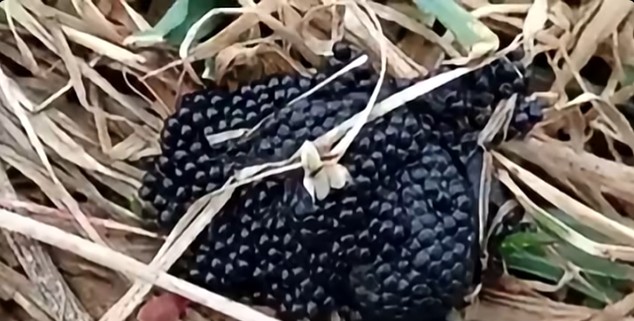
Found Tiny Egg Clusters in Your Garden? Identify Them Before Assuming They Are Ticks
A Careful Look Is More Useful Than an Immediate Reaction
An unfamiliar cluster beneath a leaf or beside a garden log can interrupt an otherwise peaceful afternoon outdoors. Small, rounded objects may resemble eggs, but their appearance alone does not establish which creature produced them.
Tick eggs are one possibility people worry about, particularly when children or pets use the garden. However, many insects and other organisms leave similar-looking clusters, making identification important before any removal or treatment.
There is no reason to burn the material or apply household chemicals simply because it looks suspicious. A clear photograph and advice from a qualified professional can help determine what is present.
Meanwhile, ordinary garden maintenance and sensible outdoor precautions can reduce opportunities for tick encounters. These measures are useful regardless of whether the cluster turns out to be associated with ticks.
The aim is to understand the discovery and respond appropriately. Treating every unfamiliar garden object as a threat can lead to unnecessary damage without addressing the actual source of concern.
What Tick Eggs May Look Like
Tick eggs are very small and are generally laid together in clusters. Depending on the species, they can appear rounded, smooth, and slightly shiny.
Their coloring may include pale brown, reddish-brown, or darker shades. Those features can provide clues, but they are not distinctive enough to confirm an identification on their own.
Female ticks typically deposit eggs in sheltered places. Fallen leaves, debris, protected vegetation, and spaces beneath logs or stones may provide suitable cover.
Such locations also shelter many other small organisms. Finding a cluster in a damp or protected corner therefore does not prove that it contains tick eggs.
Before disturbing it, take a photograph that shows the material clearly. Noting where it was found can also help a pest-control professional or local agricultural specialist assess the discovery.
Leaving the cluster intact while seeking identification preserves useful details. Crushing it first can make it harder to determine what was there and whether any action is necessary.
Why Tick Awareness Matters
Ticks are external parasites that feed on the blood of people and animals. Certain species can transmit infections, including Lyme disease and Rocky Mountain spotted fever.
Many encounters do not lead to illness, but prevention remains worthwhile. Awareness is especially useful around tall grass, shrubs, leaf litter, and wooded vegetation.
A garden can contain several of these environments close to places used for recreation. The transition between a maintained lawn and a shaded, densely planted area deserves particular attention during routine upkeep.
Pets may also encounter ticks outdoors and bring them into the home. Checking animals after walks or time in the garden helps make tick awareness part of an everyday routine.
The concern is broader than a single suspected egg cluster. Managing vegetation, checking clothing and skin, and maintaining appropriate pet protection all address different opportunities for exposure.
Handle Unidentified Clusters Without Fire or Improvised Chemicals
Avoid handling unfamiliar egg-like material with bare hands. Gardening gloves provide a barrier when examining outdoor debris, while long sleeves and closed shoes can reduce direct contact with pests.
Inspection does not need to become immediate removal. If the material’s identity is uncertain, pause before breaking it apart or moving it through the garden.
Burning is not an appropriate general response. Setting fire to debris introduces smoke and fire hazards, and an unidentified cluster does not justify that risk.
Similarly, experimenting with household chemicals can create another problem without confirming that the original material required treatment. Identification should guide the response.
If ticks or their eggs are confirmed, follow appropriate local pest-control or public-health guidance for removal and disposal. A qualified professional can explain which approach is suitable for the circumstances.
This sequence keeps the response proportionate: establish what is present, determine whether intervention is needed, and use an appropriate method.
Reduce Sheltered Habitat Around Frequently Used Areas
Regular maintenance can make parts of a garden less suitable for ticks. Keeping grass short is particularly useful around outdoor spaces where people spend time.
Remove accumulated leaves and unnecessary debris, and trim dense shrubs where appropriate. These tasks reduce sheltered areas while making the property easier to inspect.
Firewood should be stacked neatly and kept away from places where children and pets regularly play. Unused containers and discarded materials can also create cover, so reducing clutter belongs in the same maintenance routine.
Gravel or wood-chip paths can create separation between maintained lawns and wooded areas. Such boundaries help distinguish regularly used spaces from more densely vegetated surroundings.
No single landscaping task guarantees a tick-free property. The value comes from maintaining several practical measures consistently rather than relying on one change.
Pay attention to where the household actually spends time. Keeping play areas, seating spaces, and pet activity areas manageable can make prevention more focused.
Make Pet Checks Part of the Outdoor Routine
Dogs and cats can encounter ticks in gardens, parks, and wooded areas. After outdoor activity, inspect their coats rather than assuming a familiar location carries no risk.
Check carefully around the ears, neck, legs, and between the toes. A regular routine makes it easier to notice something unfamiliar.
A veterinarian can recommend tick-prevention products appropriate for the individual animal. Product choice should account for the pet rather than simply using whatever treatment is already available at home.
In particular, do not assume that a product intended for dogs is suitable for cats. Some ingredients in dog treatments can be dangerous to cats, so veterinary guidance is important.
Pet prevention and garden maintenance support each other. Neither replaces the other, and outdoor checks remain useful even when a prevention product is being used.
Protect Yourself While Gardening
Clothing can help reduce exposure while working around tall grass or dense vegetation. Long trousers, long sleeves, and closed shoes provide more coverage than clothing that leaves skin exposed.
Use a repellent labeled for protection against ticks and follow its instructions. The label should guide how and where the product is applied.
Afterward, examine clothing and skin for ticks. Showering after outdoor activity can also provide an opportunity to notice ticks that have not attached.
If a tick is attached, use fine-tipped tweezers to grasp it close to the skin. Pull upward steadily without twisting or crushing it.
Fever, a rash, headache, or unusual fatigue following a tick bite warrant prompt medical advice. Tell the healthcare professional about the bite rather than assuming symptoms are unrelated.
Continue Monitoring and Seek Help When Needed
Tick prevention is an ongoing part of caring for an outdoor space. Conditions can change, so a single inspection cannot replace routine attention.
Include shaded corners, dense vegetation, leaf accumulations, and places pets frequent in regular garden checks. If ticks are repeatedly found, a professional assessment may help identify contributing conditions.
A pest-control specialist can examine the property and discuss suitable options. This is more useful than repeatedly treating uncertain spots without understanding where the problem is occurring.
Communication with neighbors can also help. Wildlife and other animals move between properties, so awareness need not stop at the fence.
Sharing practical information about maintenance and pet checks can encourage a coordinated approach. Accurate identification is equally important when discussing unusual eggs or insects, helping prevent alarm based on appearance alone.
A comfortable garden does not require reacting aggressively to every unfamiliar discovery. Careful observation, consistent upkeep, appropriate protection, and informed help provide a more dependable foundation for enjoying the space.