
Why Modern Headlights Feel Blinding at Night — And What Drivers Can Do About It
The Growing Frustration of Night Driving
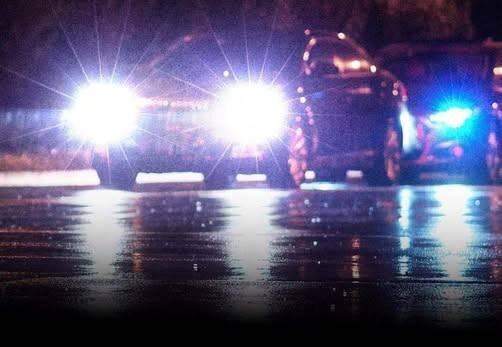
For many drivers, nighttime travel has become far more stressful than it used to be. A sudden burst of light from an oncoming vehicle can instantly flood the windshield, forcing eyes to squint and attention to shift away from the road ahead.
That uncomfortable moment often feels more intense than a simple annoyance. Drivers may briefly lose visual clarity, hesitate behind the wheel, or instinctively reduce speed while trying to regain focus.
As more people talk about the problem, a common question keeps resurfacing: are human eyes becoming more sensitive, or are vehicle headlights actually getting brighter?
Why Headlights Seem More Intense Today
The answer lies largely in the rapid shift toward modern lighting technology. Many newer vehicles now use LED headlights instead of older halogen systems. LEDs provide a brighter, whiter, and more concentrated beam designed to improve visibility for the driver using them.
While that stronger illumination helps reveal road signs, lane markings, and obstacles more clearly, it can create a completely different experience for drivers approaching from the opposite direction.
The human eye reacts differently to cooler white light compared to the softer yellow glow produced by traditional headlights. LED beams often appear harsher because their color temperature is closer to daylight.
That sharp white light can overwhelm vision for a moment, especially when the road is dark and pupils are already expanded. Even a brief exposure may feel startling.
The Role of Beam Direction
Brightness alone is not the only reason headlights can seem blinding. The direction of the beam plays an equally important role.
When headlights point directly toward another driver’s eye level, glare becomes far more severe. This is particularly common with taller vehicles such as SUVs and trucks.
Because those vehicles sit higher off the ground, their headlights naturally align closer to the line of sight of drivers in smaller cars. The effect can make the light feel overpowering, even if the headlights themselves are functioning normally.
Poor headlight adjustment can make the situation worse. A beam aimed too high may shine directly into oncoming traffic instead of focusing on the roadway.
Even a small alignment issue can dramatically increase glare for other drivers.
Rain and Wet Roads Make the Problem Worse
Many drivers notice that headlight glare becomes especially difficult during rainstorms or on wet roads. Moisture changes how light behaves, creating reflections that scatter across pavement and windshields.
Instead of remaining concentrated in one area, the light spreads and bounces in multiple directions. This can produce a hazy visual effect that makes it harder to judge distance, lane position, and approaching traffic.
Rain also increases eye strain because drivers constantly shift focus between reflections, windshield wipers, road markings, and surrounding vehicles.
Combined with bright LED headlights, the result can feel exhausting during long nighttime drives.
Dirty Windshields Can Intensify Glare
One of the most overlooked causes of nighttime visibility problems is the condition of the windshield itself.
Dust, grease, fingerprints, and streaks on the glass can scatter incoming light and amplify glare. Even a windshield that appears clean during the day may reveal hidden smudges at night.
The inside surface is especially important. A thin film that gradually builds over time can spread bright light across the driver’s field of vision.
Keeping both sides of the windshield thoroughly cleaned can noticeably reduce visual distortion during nighttime driving.
Simple maintenance often improves clarity more than many drivers expect.
Eye Fatigue Also Matters
Tired eyes are naturally more sensitive to sudden bursts of light. Long workdays, screen exposure, and lack of sleep can reduce the eyes’ ability to quickly adapt between darkness and brightness.
When a strong beam suddenly appears, recovery may take longer than normal. That brief delay can create anxiety behind the wheel, especially on busy highways or poorly lit roads.
Age can also affect nighttime driving comfort. As eyes change over time, glare recovery may slow further, making bright headlights feel even more intense.
Many drivers who once felt comfortable driving at night now report increased discomfort during evening travel.
How Drivers Can Reduce Headlight Glare
Although modern headlights are unlikely to disappear, several practical steps can make nighttime driving more manageable.
One of the most effective habits is avoiding direct eye contact with oncoming headlights. Looking slightly toward the right side of the lane helps preserve peripheral awareness while reducing exposure to the brightest part of the beam.
This small adjustment allows drivers to maintain road position without staring directly into the glare.
Keeping windshields clean inside and out also plays a major role. Removing haze and streaks helps reduce light scattering and improves overall visibility.
Drivers should also check whether their own headlights are properly aligned. Misaligned beams not only create problems for others but can reduce road visibility for the driver as well.
The Importance of Proper Headlight Adjustment
Many vehicles include manual beam adjustment settings designed to compensate for additional weight in the car.
When a vehicle carries passengers, cargo, or heavy items in the trunk, the front end may tilt upward slightly. This changes the angle of the headlights and can direct more light into oncoming traffic.
Using the adjustment system helps return the beams to the proper position.
Regular inspections can also identify alignment problems caused by potholes, minor impacts, or suspension changes.
Correctly adjusted headlights improve safety for everyone on the road.
Smarter Lighting Systems Are Expanding
Automotive technology continues evolving in response to concerns about glare and nighttime safety.
Many newer vehicles now include adaptive headlight systems that automatically adjust beam direction based on road conditions, steering angle, or surrounding traffic.
Some systems can even reduce portions of the beam when another vehicle approaches, helping maintain visibility without fully blinding nearby drivers.
These technologies aim to balance strong road illumination with reduced glare exposure.
As advanced lighting systems become more common, nighttime driving may gradually become more comfortable and less stressful.
A Safer Future for Night Driving
The feeling that headlights have become more blinding is not simply imagination. Changes in lighting technology, taller vehicles, beam alignment, weather conditions, and windshield cleanliness all contribute to the experience many drivers now face each night.
What feels like a sudden flash of blindness is often the result of several small factors combining at once.
Fortunately, drivers are not powerless against the problem. Simple adjustments, regular maintenance, and safer visual habits can significantly improve comfort and confidence after dark.
With smarter vehicle technology continuing to develop, the future of nighttime driving may eventually deliver brighter roads without the overwhelming glare that so many drivers struggle with today.