
How to Get Rid of Gnats in Your Home Without Harsh Chemicals
Small Gnats Can Quickly Become a Big Household Problem
Seeing a single gnat flying around the kitchen or hovering near a houseplant may not seem like a serious problem. When several begin appearing at once, however, the situation can quickly become frustrating.
Gnats can gather around plants, fruit, sinks, drains, and trash areas. Once conditions inside the home allow them to reproduce, what begins as an occasional flying insect can turn into a noticeable cloud around certain rooms.
Warm weather can make the problem especially noticeable. Fungus gnats may appear around moist houseplant soil, while other small flying insects may be attracted to fruit, drains, garbage, and damp areas.
Although these tiny insects do not bite, their ability to multiply quickly can make them difficult to ignore. Fortunately, several simple household habits can help interrupt the conditions that allow them to remain indoors.
Start by Checking Your Houseplants
Houseplants can become one of the most common areas where gnats gather. Moist soil provides an environment where fungus gnats can continue their life cycle, particularly when pots remain consistently damp.
One of the simplest changes is allowing the soil to dry between waterings. Instead of automatically watering plants while the soil is still wet, giving the surface time to dry can make the pot less inviting to gnats.
This does not require abandoning normal plant care. The goal is simply to avoid keeping the soil unnecessarily wet for long periods.
Dead leaves and other plant material should also be removed from pots. Organic debris resting on damp soil can contribute to conditions that allow the problem to continue.
Regularly checking the surface of each pot can therefore become an important part of controlling gnats. Removing fallen leaves while adjusting watering habits addresses the environment where the insects are gathering rather than focusing only on the adults already flying around the room.
Food-Grade Diatomaceous Earth Can Be Used on Dry Soil
Dry, food-grade diatomaceous earth can also be lightly dusted over the surface of plant soil. The emphasis on keeping the surface dry remains important when using this approach.
This method can be combined with better watering habits and regular removal of dead plant material. Rather than relying on a single measure, several small changes can work together to reduce the conditions that support the insects.
Because houseplants are often spread throughout different rooms, it can be helpful to inspect all of them instead of focusing only on the pot where gnats were first noticed. An adult gnat flying near one plant does not necessarily mean that is the only area where favorable conditions exist.
Sticky Strips Help Catch Adult Gnats
While changes to soil conditions address one part of the problem, adult gnats may already be flying throughout the home. Sticky gnat strips can help capture these insects and reduce the number moving between plants and other areas.
The strips can be positioned near locations where adults are frequently seen. They should be kept out of reach of children and pets.
Using sticky strips alone may catch visible insects, but the broader goal is to combine this step with efforts that make breeding areas less suitable. Capturing adults while allowing plant soil to dry can address different stages of the problem at the same time.
This combined approach is useful because the insects that are already flying are only the most visible part of the issue. If damp soil and organic debris remain unchanged, new adults can continue appearing even after many of the existing insects have been trapped.
Do Not Ignore the Kitchen
Houseplants are not the only places that can attract gnats. Kitchens offer several possible trouble spots, including fruit bowls, garbage cans, sinks, and drains.
Fruit left accessible can attract small flying insects. Trash areas can also become a persistent gathering point, especially when food residue or moisture remains inside or around a garbage container.
Cleaning garbage cans regularly can help remove material that attracts insects. The area surrounding the container should also remain as clean as possible rather than allowing small spills or food particles to accumulate.
This simple habit can make a noticeable difference when combined with the other measures used throughout the home. Reducing food residue removes another location where the insects may continue gathering.
Clean Sinks and Drains Regularly
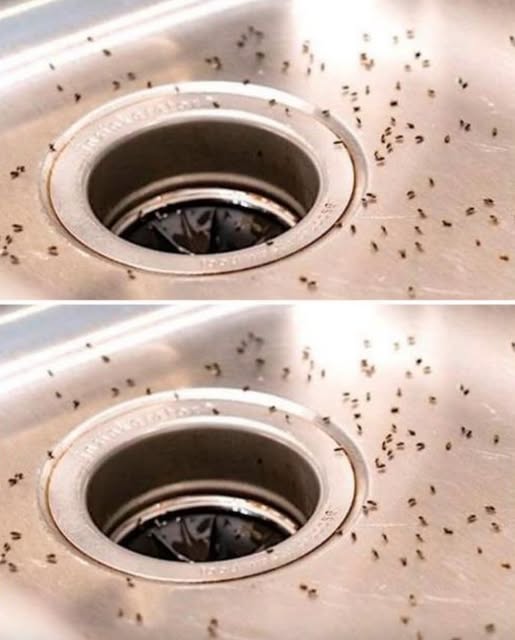
Sinks and drains deserve attention whenever small flying insects repeatedly appear in the kitchen. Moisture and residue around these areas can provide another place for gnats to linger.
Regular cleaning can help prevent drains from becoming a continuing source of the problem. Paying attention only to the insects flying above the sink may provide temporary relief without addressing what is attracting them to the area.
Cleaning should be part of an ongoing routine rather than something done only after a large number of insects appears. Maintaining cleaner drains, sinks, and nearby surfaces can help make the kitchen less appealing over time.
The same principle applies throughout the home: reducing moisture, food residue, and decaying material makes it harder for gnats to find favorable conditions.
A Simple Apple Cider Vinegar Trap Can Catch Flying Gnats
A shallow bowl containing apple cider vinegar and a drop of dish soap can be used as a simple trap for adult gnats. The bowl can then be covered with plastic wrap containing small pierced openings.
The trap can be placed in an area where flying insects are frequently noticed, such as near a kitchen problem spot. It provides another way to reduce the adult population without spraying rooms with large amounts of chemical products.
As with sticky strips, the trap works best as part of a broader approach. Catching adults can reduce the visible nuisance, but cleaning and moisture control remain necessary if the goal is to interrupt the insects’ life cycle.
If the original source of attraction remains available, new insects may continue emerging. For that reason, traps should be accompanied by changes to plant watering, drain cleaning, trash management, and food storage habits.
Small Changes Work Better When Used Together
A gnat problem can feel difficult because the insects may seem to appear in several places at once. One may hover around a plant while another circles the sink and several more gather around fruit or trash.
That pattern can make it seem as though the entire home has suddenly become infested. In reality, controlling several attractive areas at the same time can gradually reduce the number of insects.
Begin with houseplant soil by allowing it to dry between waterings and removing dead leaves. If appropriate, use dry, food-grade diatomaceous earth on the soil surface and place sticky strips where adult gnats are active.
Then move to the kitchen. Clean drains and sinks, empty and wash garbage containers, and avoid allowing food residue to remain around common problem areas.
Apple cider vinegar traps can be added where adult gnats continue to appear. Each method addresses a different part of the problem, creating an environment that is increasingly difficult for the insects to use.
Prevention Is an Important Part of Long-Term Control
Once the number of gnats begins declining, continuing the same household habits can help prevent another sudden increase. Returning to consistently wet plant soil or allowing organic debris to collect can recreate the conditions that originally attracted them.
Regular plant maintenance is therefore useful even after the visible insects disappear. Check pots for dead leaves and avoid unnecessary overwatering.
The kitchen also benefits from routine attention. Keeping trash containers cleaner, maintaining drains, and dealing with food residue before it accumulates can remove several common attractions.
These actions are simple, but their effectiveness comes from consistency. A single cleaning or trap may reduce the insects temporarily, while repeated prevention targets the conditions that allow them to return.
A Cleaner, Drier Home Can Break the Cycle
Gnats may be tiny, but a growing number of them can quickly disturb an otherwise comfortable room. Their presence around plants, sinks, fruit, drains, and garbage can make the problem seem larger every day.
The most practical response is to work through those areas systematically. Reduce excess moisture in plant pots, remove dead leaves, maintain clean kitchen surfaces, pay attention to drains, and keep garbage containers from becoming attractive breeding areas.
Sticky strips and apple cider vinegar traps can then help capture adults that are already flying around the home. Used together with prevention, these tools can gradually reduce the population rather than simply chasing individual insects from room to room.
There is no need to drench the home in harsh chemicals when the conditions attracting the insects can be addressed directly. Small adjustments to watering, cleaning, and household maintenance can make each room less welcoming to gnats.
With consistent attention to plants, drains, fruit, and trash, the buzzing activity can gradually disappear. The key is not one dramatic treatment, but a series of simple habits that interrupt the places where gnats gather and reproduce.