
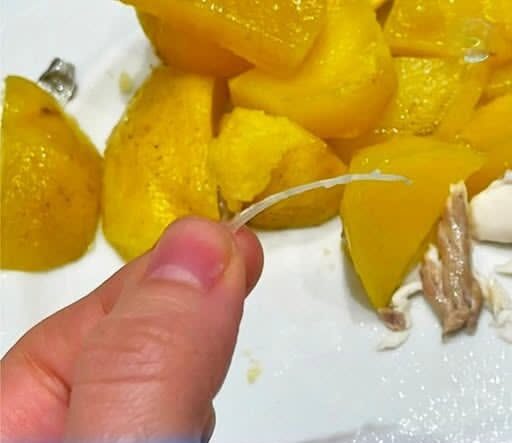
What to Do When a Fish Bone Feels Stuck in Your Throat
Staying calm, checking your breathing, and avoiding forceful removal attempts can help reduce the risk of making the situation worse.
A fish bone caught in the throat can create sudden discomfort and anxiety. The sharp sensation may begin immediately after swallowing a bite of fish, leaving the person unsure whether the bone is still lodged or has only scratched the throat.
The first and most important step is to remain calm. Panic can make breathing feel more difficult and may lead to unsafe attempts to remove the bone quickly.
Before trying anything else, determine whether you can breathe, speak, and swallow normally. These signs help distinguish mild irritation from a potentially serious obstruction requiring immediate medical attention.
Check for Breathing or Swallowing Problems
Difficulty breathing should always be treated as an emergency. A fish bone or piece of food that interferes with the airway can become dangerous very quickly.
Intense pain, choking, inability to speak normally, or a feeling that air cannot move freely are warning signs that should not be managed with home methods. Immediate medical assistance is necessary in those circumstances.
Trouble swallowing saliva is another important concern. If swallowing is extremely painful or impossible, the bone may be lodged in a position that requires professional examination and removal.
Swelling in the throat, neck discomfort, or worsening pain may also indicate that the tissue has been injured. Waiting too long in the presence of serious symptoms can allow irritation or damage to become more severe.
If breathing and swallowing remain normal, the sensation may be caused by a very small bone or by a scratch left behind after the bone has already moved. Even so, the throat should be treated carefully.
Why the Sensation Can Be Difficult to Interpret
Fish bones are often thin, sharp, and difficult to see. A small bone may become caught near the tonsils, the back of the tongue, or farther down the throat.
In some cases, the bone passes into the stomach but leaves a minor scrape. That scratch can continue producing a sharp or prickling feeling, making it seem as though something remains lodged.
Because the sensation may continue after the bone has moved, repeated swallowing or aggressive probing may not solve the problem. These actions can instead irritate already sensitive tissue.
The location of discomfort may not reveal the exact position of the bone. Throat sensations can feel higher, lower, or more widespread than the actual point of irritation.
For this reason, caution is more important than trying to remove the object quickly. A method that seems harmless may push a bone deeper or create an additional injury.
Begin With Gentle Coughing
If breathing is normal and the discomfort is mild, gentle coughing may help move a small bone that is sitting loosely near the upper throat. Coughing uses the body’s natural force without introducing another object into the area.
The cough should not be violent or repeated until the throat becomes painful. Excessive coughing can increase irritation and make it harder to judge whether the original sensation is improving.
After a few gentle coughs, pause and reassess. Notice whether the sharp feeling has changed, disappeared, or become more intense.
If pain increases or the person begins having difficulty breathing or swallowing, home attempts should stop. Medical attention is the safer response when symptoms worsen.
Small Sips of Water May Help
Taking small sips of water may help determine whether swallowing remains comfortable. Water can also moisten the throat and reduce some of the irritation caused by a superficial scratch.
Drinking should be slow and controlled. Large gulps may create discomfort or increase pressure around a bone that is firmly lodged.
If water passes normally and the sensation begins fading, the bone may have moved or the remaining feeling may come from minor irritation. Continued observation is still important.
If water causes severe pain, coughing, choking, or an inability to swallow, further home measures should not be attempted. Those symptoms require professional evaluation.
Soft Foods Are Sometimes Used With Caution
Soft foods such as bread, banana, or cooked rice are sometimes used in an attempt to carry a small fish bone into the stomach. The idea is that a soft mouthful may surround the bone and help it move downward.
This method should never involve swallowing a large, dry, or tightly packed amount of food. Forcing down a heavy bite can push a sharp bone deeper into the tissue or make swallowing more difficult.
Any food used should be soft, moist, and taken in a very small portion. It should be chewed thoroughly before swallowing.
If the first careful attempt does not improve the sensation, repeatedly swallowing more food is not advisable. A bone that remains fixed may need to be located and removed by a medical professional.
People should also avoid using hard, rough, or sharp foods. Such items can scrape the throat and make it more difficult to distinguish between a lodged bone and general irritation.
Olive Oil May Provide Lubrication
A small amount of olive oil may coat the throat and make swallowing feel smoother. A teaspoon is sometimes used when the discomfort is mild and the person can breathe and swallow normally.
The oil does not guarantee that a lodged bone will move. It may simply provide lubrication around the irritated area.
Taking repeated spoonfuls is unnecessary and should not replace medical care. If the sharp sensation continues, becomes stronger, or is accompanied by swelling, professional assistance is appropriate.
No liquid should be given to someone who is choking or unable to swallow safely. In that situation, emergency help is required rather than food or drink.
Avoid Blind or Forceful Removal Attempts
Trying to reach into the throat without clearly seeing the bone can cause injury. Fingers, utensils, and other household objects may scratch the tissue, trigger gagging, or push the bone farther down.
Repeated probing can also cause bleeding or swelling. Once the area becomes irritated, it may be even harder to determine where the original bone is located.
A mirror and flashlight may help someone check the visible areas near the mouth. However, the inspection should remain gentle and should not involve pressing deeply into the throat.
If the bone is not immediately visible, it should not be searched for aggressively. Many parts of the throat cannot be examined safely without proper equipment.
Even when the object appears close to the surface, removing it can be difficult because fish bones are small and slippery. Sudden movement may cause the bone to break or become more deeply embedded.
Be Extremely Careful With Tweezers
If a bone is clearly visible at the very front of the mouth and can be reached without touching deep throat tissue, sterilized tweezers may seem like a possible removal method. This should only be considered when the bone is easy to see and grasp.
The person should never force the tweezers into an area that cannot be viewed clearly. Blindly reaching toward the back of the throat can cause gagging, injury, or accidental movement of the bone.
If the bone slips, breaks, or does not come free with an easy and gentle movement, the attempt should stop immediately. Continued pulling may tear the surrounding tissue.
Children should not undergo home removal attempts involving tweezers. Their smaller airways, movement, and difficulty remaining still can make the situation more dangerous.
Medical professionals have lighting, instruments, and training that allow them to examine areas that are difficult to see at home. When there is any uncertainty, professional removal is the safer option.
Signs That Medical Care Is Needed
A fish bone that continues to feel stuck after gentle measures should be examined by a doctor. Persistent discomfort may mean the bone remains embedded or that the throat has been injured.
Severe pain is a clear reason to stop home treatment. Pain that becomes sharper, spreads toward the neck or chest, or worsens with swallowing should not be ignored.
Swelling, bleeding, fever, repeated vomiting, or excessive drooling are also concerning. These symptoms may indicate irritation, injury, or difficulty managing normal swallowing.
Medical care is also important when the sensation lasts for an extended period without improvement. A very small bone can still cause damage if it remains lodged in the tissue.
Anyone who is unsure whether breathing is affected should treat the situation seriously. It is better to seek prompt help than to wait while an airway problem develops.
Why Repeated Home Remedies Can Be Risky
When the first attempt does not work, people may be tempted to keep swallowing bread, rice, banana, or other foods. Repetition can increase pressure around the bone and deepen the injury.
Large mouthfuls can also become difficult to swallow when the throat is already irritated. This may create an additional choking risk.
Forceful coughing, repeated throat clearing, and aggressive inspection may lead to swelling. The resulting soreness can continue even if the bone eventually moves.
Home measures should therefore remain limited and gentle. They are not a substitute for medical examination when the object appears firmly lodged.
What to Expect After the Bone Moves
Even after a fish bone is no longer present, the throat may continue feeling scratched. The sharp edge can leave a small irritated area that remains noticeable during swallowing.
This lingering sensation may gradually decrease as the tissue settles. Drinking water and avoiding rough foods can help prevent further irritation.
However, a person should not automatically assume that every continuing sensation is only a scratch. If the pain remains strong or does not improve, the bone may still be present.
New swelling, bleeding, difficulty swallowing, or worsening discomfort should prompt medical evaluation. Changes in symptoms are more important than the assumption that the bone has already passed.
Preventing Fish Bones From Becoming Stuck
Choosing boneless fish can reduce the chance of accidentally swallowing a sharp bone. Even products labeled as boneless should still be eaten carefully, because small bones may occasionally remain.
Chewing slowly is one of the simplest preventive habits. Careful chewing gives the person time to feel a bone before swallowing.
Large bites should be avoided, especially when eating fish with many fine bones. Smaller portions are easier to inspect and chew thoroughly.
Good lighting at the dining table can also help. Being able to see the food clearly makes it easier to identify small bones before they enter the mouth.
Children and older adults may need additional care when eating bony fish. Removing visible bones before serving can reduce the risk of an uncomfortable or dangerous incident.
Distractions during meals can also make accidental swallowing more likely. Eating slowly and paying attention to each bite allows more time to notice unusual textures.
Calm Decisions Are the Safest Response
A fish bone in the throat can be frightening, but calm assessment should come before any attempt to remove it. The ability to breathe, speak, and swallow normally provides essential information about the seriousness of the situation.
Gentle coughing, small sips of water, or a cautious amount of soft food may help in a mild case. A teaspoon of olive oil may also provide lubrication when swallowing remains safe.
Forceful swallowing, deep probing, and blind use of tweezers can make the problem worse. A bone that is not clearly visible and easily accessible should be left for a medical professional to examine.
Severe pain, breathing difficulty, swelling, bleeding, or an inability to swallow requires immediate attention. Persistent discomfort should also be evaluated rather than repeatedly treated with home remedies.
Prevention remains the simplest approach. Choosing boneless fish, checking each portion, eating under good lighting, and chewing slowly can reduce the chance of swallowing a sharp bone.
Most importantly, no home method should take priority over safe breathing. When symptoms suggest that the airway or deeper throat may be involved, prompt medical care is the correct response.