
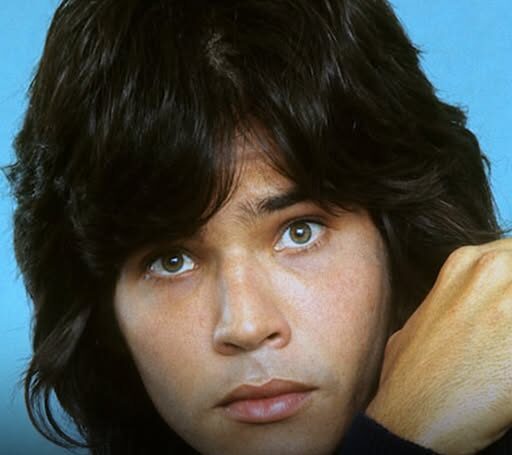
‘Shazam!’ Star Michael Gray Dies at 75 — The Beloved 1970s Teen Idol Leaves Behind a Legacy Fans Will Never Forget
For Millions of Children Growing Up in the 1970s, He Was the Boy Who Could Become a Superhero With One Word. But Behind Michael Gray’s Fame Was a Remarkable Story of Sudden Stardom, Life Away From Hollywood, and an Emotional Reunion With the Fans Who Never Forgot Him.
For an entire generation, Saturday mornings meant cartoons, breakfast cereal, and one unforgettable word.
“Shazam!”
With that single word, an ordinary teenager could transform into a powerful superhero, ready to help people in trouble.
And the young actor who brought that character to life became one of the most recognizable faces on television.
Now, fans are mourning the loss of Michael Gray.
The actor, best known for portraying Billy Batson in the beloved 1970s television series “Shazam!,” died on October 16, 2026, in Palm Desert, California.
He was 75 years old.
His death was publicly announced on October 22, with his representatives confirming that he died of natural causes.
The news has brought an outpouring of memories from people who grew up watching Gray’s adventures on Saturday mornings.
For some, he was their first television superhero.
For others, he was the familiar face smiling from the covers of teen magazines.
But for those who knew him personally, Gray was remembered as a warm, funny, and generous man who genuinely enjoyed meeting the people his work had inspired.
And perhaps the most touching part of his story is that he did not fully understand how much he meant to those fans until decades after his most famous show had ended.
The News That Saddened a Generation of Television Viewers
Michael Gray’s death was confirmed by his representatives nearly a week after his passing.
According to the announcement, the actor died on Friday, October 16, in Palm Desert, California.
He was surrounded by a legacy that stretched back more than half a century.
Although Gray appeared in numerous television productions and films, one particular role remained closely associated with his name.
Billy Batson.
For children watching CBS during the mid-1970s, Billy was more than a fictional teenager.
He represented the idea that an ordinary young person could make a difference in the world.
That message helped distinguish “Shazam!” from many other programs of its time.
And Gray’s approachable performance made the character especially memorable.
When news of his death emerged, fellow actors and longtime fans began remembering not only his performances but also the kindness he had shown throughout his life.
Before He Was Famous, Michael Gray Had a Completely Different Dream
Michael Gray was born on September 2, 1951, in Chicago, Illinois.
His family later moved to Florida, where he spent much of his childhood in the Miami area.
Interestingly, acting was not originally the career he imagined for himself.
As a youngster, Gray dreamed of becoming a television newscaster.
But he eventually abandoned that ambition for a surprisingly simple reason.
In a 1976 interview, he jokingly explained that he had discovered he mumbled too much.
It was a humorous admission from someone who would later become famous for delivering one of television’s most recognizable catchphrases.
Instead of pursuing broadcast journalism, Gray developed an interest in acting.
He eventually moved to California and studied at the Pasadena Playhouse.
That decision opened the door to a career that would take him from supporting television roles to national recognition.
His Early Television Appearances Helped Launch His Career
Before becoming Billy Batson, Gray appeared in several well-known television productions.
His early credits included “Room 222,” “Marcus Welby, M.D.,” and “The Flying Nun.”
He also appeared in the 1970 television movie “Run, Simon, Run,” starring Burt Reynolds.
These opportunities helped the young actor gain experience in front of the camera.
In 1972, Gray secured a recurring role on NBC’s “The Little People,” which later became known as “The Brian Keith Show.”
He portrayed Ronnie Collins, a student doctor, alongside established performers Brian Keith and Shelley Fabares.
For a young actor hoping to build a career, appearing alongside recognizable television stars was an important opportunity.
But another appearance would introduce Gray to a particularly enthusiastic audience.
He Once Played Marcia Brady’s Boyfriend
In 1973, Gray appeared on the popular family sitcom “The Brady Bunch.”
He played Jeff, one of Marcia Brady’s romantic interests, in the episode “Marcia Gets Creamed.”
The storyline involved Marcia, portrayed by Maureen McCormick, working at an ice cream parlor.
When she discovered Jeff spending time with another girl, the situation led to a memorable confrontation involving whipped cream.
Although Gray’s appearance was relatively brief, it became another recognizable part of his television career.
“The Brady Bunch” remained popular through reruns, allowing new generations to discover its familiar characters and guest stars.
But Gray’s most important opportunity was still ahead.
And when it arrived, it would change his life almost overnight.
In 1974, One Role Made Him a Saturday-Morning Superstar
In 1974, Michael Gray was cast as Billy Batson in the live-action superhero series “Shazam!”
The program premiered on CBS on September 7, 1974.
It was produced by Filmation, a company already known for animated children’s programming.
Unlike traditional cartoons, however, “Shazam!” featured live actors portraying its characters.
Gray played Billy Batson, a young man who traveled around the country helping people and learning important lessons.
When danger appeared, Billy could transform into the superhero Captain Marvel by speaking the magical word “Shazam!”
The adult superhero was initially portrayed by Jackson Bostwick.
John Davey later took over the role.
Les Tremayne appeared as Billy’s mentor, who helped guide him through his adventures.
The combination of superhero action and moral storytelling proved appealing to young audiences.
And Gray quickly became the face most closely associated with the show.
The Superhero Series Was Different From What Children Expected
Unlike modern superhero productions, “Shazam!” did not depend on enormous budgets, elaborate digital effects, or battles involving entire cities.
Instead, many episodes centered on ordinary people facing difficult situations.
The stories explored themes such as honesty, responsibility, courage, and helping others.
Billy Batson often encountered young people who needed guidance or support.
And when a problem became too dangerous for an ordinary teenager to handle, Captain Marvel could intervene.
The series presented heroism as something connected to everyday choices rather than extraordinary powers alone.
That approach helped make the program memorable for children who watched it during its original run.
Gray appeared in all 28 episodes across the show’s three seasons.
Although the series ended in 1976, its impact would continue long afterward.
Michael Gray Admitted He Barely Knew the Character When He Was Cast
Years later, Gray reflected on the experience of joining “Shazam!”
He admitted that he had not been especially familiar with the character or the comic-book stories before receiving the role.
That meant he had to learn quickly.
But he remembered the production as an exciting and demanding experience.
Working on one of Saturday morning television’s early live-action superhero programs gave him opportunities he had never experienced before.
There were unusual filming techniques to learn.
Action scenes to rehearse.
And the challenge of making a superhero transformation believable with the technology available at the time.
One experiment in particular stayed in his memory.
A Special Effect Once Went Very Wrong
Today, filmmakers can create elaborate superhero transformations using computer-generated imagery.
But when “Shazam!” was filmed in the 1970s, television production teams had to rely on practical effects.
During an early attempt to create Billy Batson’s transformation into Captain Marvel, the crew experimented with a flash device.
The idea was to produce a burst of light and smoke that would conceal the change between the two actors.
Unfortunately, the experiment did not work as intended.
Gray later recalled that he ended up slightly singed after the effect was triggered.
The production team quickly abandoned that approach.
It was an uncomfortable experience at the time, but one that Gray could eventually remember with humor.
The story also illustrated how different superhero filmmaking was before modern visual effects became commonplace.
His Fame Extended Far Beyond the Television Screen
As “Shazam!” became popular, Gray developed another identity.
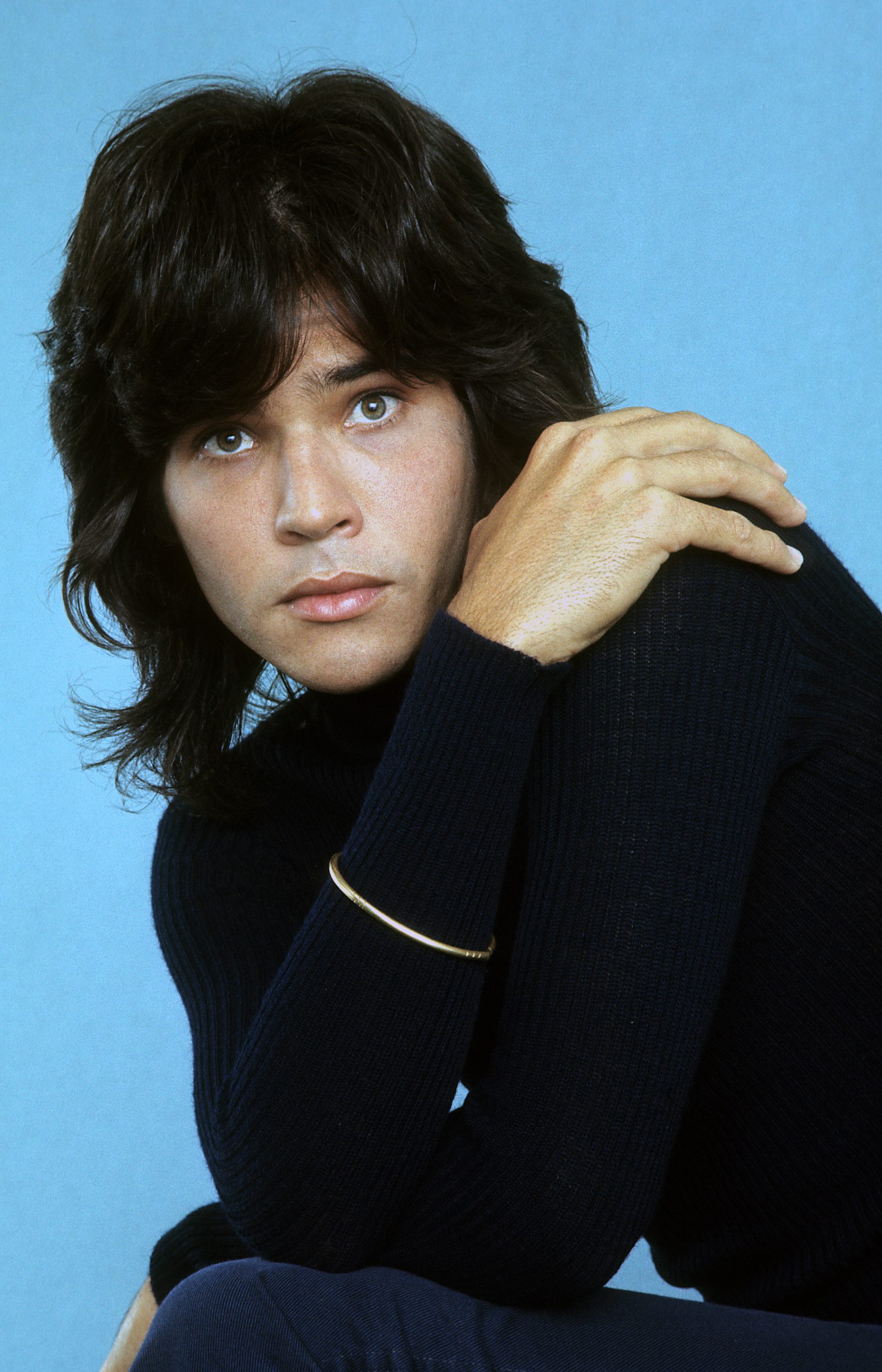
He became a teenage heartthrob.
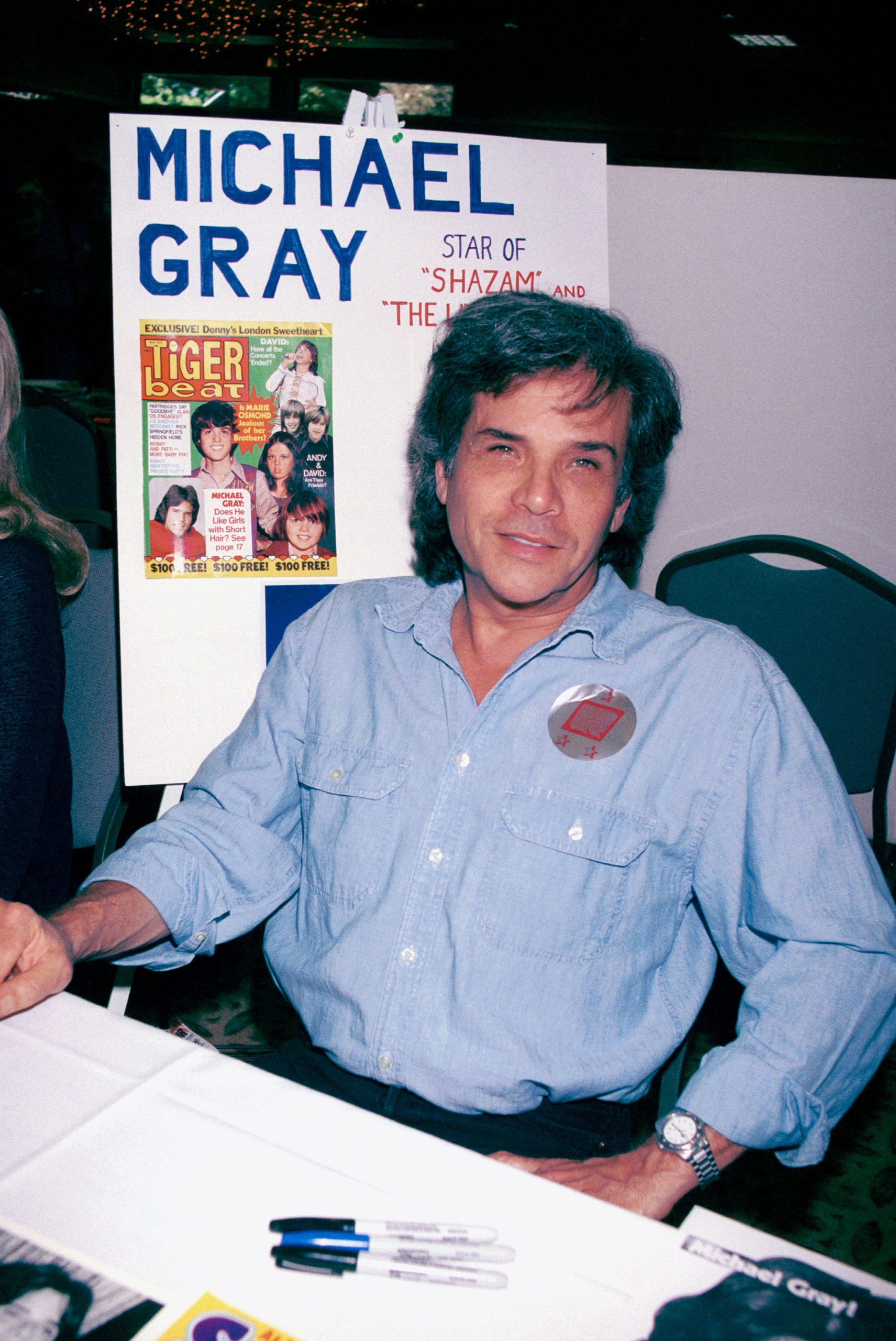
His photograph appeared in magazines such as “Tiger Beat” and “16,” publications that were enormously popular among young readers during the 1970s.
He was featured alongside some of the decade’s biggest teen idols.
His popularity grew so quickly that the attention sometimes became overwhelming.
Gray later explained that his public image had been carefully promoted.
There were hopes that he could become a major teen idol in the mold of David Cassidy.
And the strategy worked.
His face became familiar to millions of young fans.
But the attention also came with unexpected consequences.
Being a Teen Idol Wasn’t Always as Wonderful as It Looked
From the outside, Gray’s life appeared glamorous.
He was young, successful, and recognizable across the country.
His photograph appeared on magazine covers.
Fans followed his television appearances.
And his role on “Shazam!” made him one of the most recognizable young actors on Saturday mornings.
But Gray later admitted that the intense attention could make ordinary life difficult.
During the height of his popularity, leaving home without being recognized became challenging.
What looked like an exciting fantasy to fans could feel overwhelming to the person experiencing it.
His comments offered a glimpse into the pressure that accompanied sudden fame.
And they help explain why Gray eventually became interested in building a quieter life outside the entertainment industry.
He Had Surprisingly Simple Dreams for His Future
Despite his growing popularity, Gray did not always speak about fame as his ultimate goal.
In a 1976 interview, he described a desire to find a partner, settle down, and raise a family.
It was a striking contrast to the image of a television heartthrob surrounded by fans.
Behind the publicity photographs was a young man who imagined a relatively ordinary personal life.
And over the years, that wish would become an important part of his story.
After “Shazam!” ended, Gray continued working in entertainment for a time.
But the industry was changing.
And being so closely identified with one beloved character created its own difficulties.
Life After “Shazam!” Wasn’t What He Expected
For many actors, becoming famous for one role is both a blessing and a challenge.
The character can provide lasting recognition.
But it can also make it difficult for audiences and casting directors to imagine the performer in a different part.
Gray experienced that problem after his time on “Shazam!”
He continued to receive acting opportunities, but the enormous attention surrounding Billy Batson did not translate into a continuous run of major leading roles.
He eventually stepped away from Hollywood’s daily demands.
Rather than spending the rest of his life trying to recreate the same level of television fame, he explored other interests.
He worked in men’s fashion.
He became involved in children’s educational theater.
And he eventually built a business with his wife.
It was a very different chapter from the days when his photograph appeared on magazine covers.
From Superhero Fame to Running a Flower Shop
One of the most surprising details of Gray’s later life was his career in the flower business.
He and his wife, Stacy Benon Gray, operated a florist shop in West Hollywood.
For a man once known as a television superhero, it was an unexpected change of direction.
But it reflected his willingness to create a life beyond acting.
The business gave him an opportunity to work outside the entertainment industry while maintaining a connection to the Los Angeles community.
Gray also continued making occasional appearances connected to his television career.
And as the years passed, something remarkable began to happen.
The children who had watched “Shazam!” in the 1970s were growing older.
Many had families of their own.
But they had never forgotten the young actor who played Billy Batson.
Decades Later, He Discovered How Much His Show Meant to People
For years, “Shazam!” was difficult for fans to revisit through official home-video releases.
But when the series eventually became available on DVD, interest in the program grew again.
Gray began reconnecting with viewers who had watched him as children.
And he was deeply moved by what they told him.
Some fans approached him at conventions to explain that the show’s lessons had stayed with them throughout their lives.
Others remembered watching the program with their families every Saturday morning.
Many said that Billy Batson had been an important part of their childhood.
Gray admitted that he had not understood the full extent of the show’s influence when it was originally airing.
At the time, he had simply been a young actor doing his job.
Only decades later did he begin to appreciate how deeply the character had connected with audiences.
The Fan Encounters Became One of His Greatest Rewards
As interest in classic television continued, Gray became a familiar guest at fan conventions and autograph events.
These appearances allowed him to meet people who had grown up with “Shazam!”
For many fans, meeting him was a chance to reconnect with a treasured childhood memory.
For Gray, those encounters were a reminder that his work had made a lasting difference.
He heard stories about children who had been inspired by the show’s messages.
Some remembered the courage of Billy Batson.
Others remembered the emphasis on kindness and helping people.
Gray found those conversations deeply rewarding.
He had once struggled with the intensity of being a teen idol.
But later in life, he discovered a quieter and more meaningful kind of recognition.
Fans were no longer approaching him simply because he was famous.
They wanted to thank him.
He Even Returned to Television in an Unexpected Way
Gray’s connection to popular culture continued long after his original superhero series ended.
Between 2015 and 2019, he provided the voice for a fictionalized version of himself in the animated comedy series “Archer.”
The appearance introduced his name to viewers who might never have watched the original “Shazam!”
It also demonstrated the enduring cultural recognition attached to his television persona.
Gray appeared in projects associated with the independent superhero franchise “Surge of Power.”
These later roles allowed him to reconnect with acting while embracing the legacy of his earlier work.
But an especially meaningful opportunity arrived in 2023.
Nearly 50 Years Later, Michael Gray Returned to “Shazam!”
In 2023, Gray made a cameo appearance in the superhero film “Shazam! Fury of the Gods.”
The movie starred Zachary Levi as the modern version of the character Gray had helped bring to television audiences decades earlier.
For longtime fans, Gray’s appearance was a nostalgic connection between two generations of superhero entertainment.
He had portrayed Billy Batson when live-action superhero television was still relatively unusual.
Now he was appearing in a major Hollywood production during an era when superhero movies had become global blockbusters.
The contrast was remarkable.
Technology had changed.
Audiences had changed.
And the scale of superhero filmmaking had expanded enormously.
But the character’s famous name remained recognizable.
For Gray, the cameo represented a fitting connection to the role that had defined so much of his career.
His Former Co-Star Remembered a Man Who Never Stopped Smiling
Following the announcement of Gray’s death, John Davey shared an emotional tribute.
Davey had portrayed Captain Marvel alongside Gray during the original “Shazam!” television series.
The two actors shared an unusual professional connection.
They portrayed different versions of the same superhero identity.
Davey remembered Gray as a welcoming colleague who made him feel comfortable from the beginning.
He described him as kind, affectionate, and blessed with a wonderful sense of humor.
Davey also remembered how much Gray enjoyed acting and participating in fan conventions.
Even decades after their television work together, Gray remained enthusiastic about meeting people who remembered the show.
One detail stood out in Davey’s tribute.
He remembered Gray as someone who always seemed to be smiling.
It was a simple observation.
But it captured the warmth that many people associated with the actor.
Another 1970s Television Star Shared His Heartbreak
Wesley Eure, best known for starring in the classic television series “Land of the Lost,” also paid tribute to Gray.
During the 1970s, their programs were part of the same Saturday-morning television culture.
Both actors became recognizable faces to young audiences.
Both appeared in teen magazines.
And their careers occasionally brought them together at industry gatherings and promotional events.
Years later, they continued encountering one another at autograph shows and fan conventions.
Eure remembered Gray with affection, describing him as a genuinely kind man.
He also recalled Gray’s enormous popularity during the height of the teen-magazine era.
His tribute reflected the sadness felt by fellow performers who had shared that distinctive period of television history.
For those actors, Gray’s passing represented more than the loss of a colleague.
It was another goodbye to a familiar face from their youth.
Why Saturday-Morning Television Meant So Much to Families
For people who grew up before streaming services and on-demand entertainment, Saturday-morning television occupied a special place in childhood.
There were no endless libraries of programs available at any hour.
Children often waited all week to watch their favorite shows.
Saturday mornings became a shared ritual.
Families gathered around the television.
Favorite characters returned at familiar times.
And children followed adventures that became part of their weekly routine.
“Shazam!” belonged to that era.
Its superhero stories were memorable not simply because of action sequences but because they presented lessons that young viewers could understand.
The program encouraged honesty, courage, responsibility, and compassion.
And Gray’s portrayal of Billy Batson helped make those messages accessible.
That is why the show’s influence continued long after its original broadcasts ended.
The Difference Between Michael Gray and Today’s Superheroes
Modern superhero films frequently involve elaborate special effects, enormous budgets, and complex fictional universes.
But the original “Shazam!” relied on a much simpler approach.
Its stories were often grounded in everyday situations.
And the hero’s most important decisions frequently involved helping ordinary people.
For younger viewers, Billy Batson was especially relatable.
He was not introduced as an adult billionaire, a scientist, or a soldier.
He was a young person who could suddenly become extraordinary.
That premise appealed to children who imagined what they might do if they possessed superhero powers.
Gray’s performance helped make the fantasy believable.
And even after the visual effects became outdated, the emotional connection remained.
His Legacy Was Bigger Than a Single Television Role
Michael Gray spent only three seasons portraying Billy Batson.
But those 28 episodes became a defining part of his life.
They made him famous.
They brought him unexpected challenges.
And decades later, they gave him opportunities to connect with fans who had never forgotten him.
His career also included appearances on popular television programs, work in films, voice acting, and independent productions.
Outside entertainment, he built a personal life and explored business interests.
Yet whenever fans approached him, one word often brought everything back.
“Shazam!”
For Gray, that word eventually became more than the title of a television program.
It represented a connection to generations of viewers.
The Family He Leaves Behind
Michael Gray is survived by his wife of more than 30 years, Stacy Benon Gray.
He is also survived by his stepchildren, Ryan Cooper and Laurel Cooper, and his son-in-law, Lee Barker.
Although his professional achievements made him recognizable to audiences around the world, his family knew the person behind the famous television character.
His passing is a personal loss for those closest to him.
And the tributes from friends and colleagues suggest that his kindness was as memorable as his performances.
For longtime fans, his death also marks the passing of another beloved figure from a formative period of American television.
One Remarkable Detail About the Date of His Passing
There is a poignant coincidence connected to Gray’s death.
He died on October 16, 2026.
Exactly 50 years earlier, on October 16, 1976, the original run of “Shazam!” came to an end.
That date marked the conclusion of the series that made him a household name.
Half a century later, it also became the date of his passing.
The coincidence adds an emotional dimension to the story of an actor whose career remained closely connected to one beloved television program.
But Gray’s influence did not end when the show stopped airing.
It continued through reruns, home-video releases, conventions, and the memories of the people who watched him growing up.
The Most Meaningful Part of His Career Came Years Later
For many entertainers, the height of fame is remembered as the greatest moment of their professional lives.
But Gray’s later reflections suggested something different.
He had experienced the excitement of becoming a teen idol.
He had appeared on magazine covers.
He had been recognized by strangers wherever he went.
Yet decades later, he discovered a different kind of reward.
People who had watched him as children approached him as adults.
They told him that his television show had encouraged them.
They remembered its lessons.
And some explained that Billy Batson had helped them through difficult moments in childhood.
Gray admitted that he had never fully understood the show’s impact while he was making it.
Learning what it meant to those viewers gave him a renewed appreciation for the role.
It was a reminder that the influence of a television performance can extend far beyond the years when it is first broadcast.
Remembering Michael Gray, 1951–2026
Michael Gray’s life took him from Chicago to Florida, from Hollywood studios to the covers of teen magazines, and eventually into a quieter life beyond the entertainment industry.
He experienced the excitement of sudden fame and the challenges of being closely identified with a single character.
He built a family life, pursued different interests, and returned to acting when meaningful opportunities arose.
And he eventually discovered that the television program he made as a young man had left an extraordinary impression on viewers.
His former colleagues remember his humor.
His friends remember his warmth.
And fans remember the young man who could transform into a superhero simply by speaking one magical word.
For those who grew up watching “Shazam!” on Saturday mornings, the memories remain vivid.
The familiar opening.
The adventures.
The lessons about doing what was right.
And Michael Gray’s unforgettable portrayal of Billy Batson.
He may have played a superhero for only three seasons, but the joy he brought to viewers lasted for more than five decades.
Rest in peace, Michael Gray.
For everyone who remembers those Saturday mornings, which moment from “Shazam!” has stayed with you the longest? Share your memories and help celebrate the life of an actor who meant so much to a generation.