
How to Care for Dry, Flaky, and Scaly Skin at Home
Understanding Extremely Dry Skin
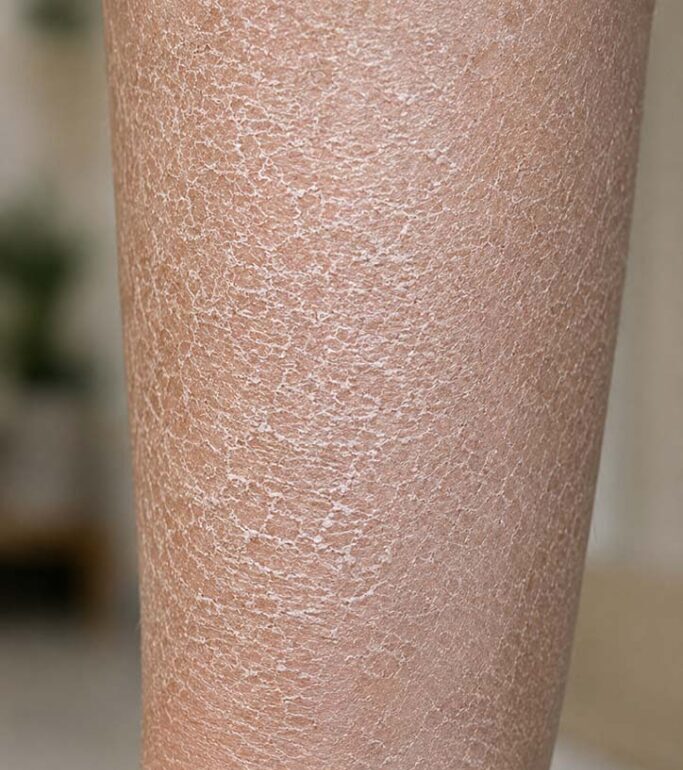
Dry, flaky skin can become uncomfortable and difficult to manage, especially when regular lotion no longer seems effective. White, scaly, or ashy-looking skin often develops when the skin barrier loses too much moisture and can no longer protect itself properly.
This can lead to cracking, rough patches, irritation, and visible scaling. In some cases, underlying skin conditions such as eczema may also contribute to the problem.
Cold weather, dry indoor air, harsh cleansers, and frequent washing can all make dryness worse. While professional medical care is important for persistent symptoms, several gentle home-care steps may help calm and protect the skin in the meantime.
Warning Signs That Need Immediate Attention
Some symptoms should never be ignored. Severe skin irritation can occasionally point to infection or another condition that needs urgent treatment.
Seek medical care right away if you notice severe pain, major swelling, intense itching, or open sores that bleed or produce pus.
Fever, feeling unwell alongside the rash, or sudden widespread peeling and redness are also signs that require prompt medical evaluation.
Why the Skin Barrier Matters
The outer layer of the skin acts as a protective barrier. Its job is to hold moisture inside while shielding the body from irritants and environmental damage.
When this barrier becomes damaged, moisture escapes more easily. The skin then becomes rough, dry, irritated, and more sensitive to everyday products and fabrics.
One condition commonly linked to severe dryness is asteatotic eczema, also known as xerotic eczema. This condition often worsens during colder months or in dry climates where the air lacks humidity.
The skin may appear cracked, flaky, or covered with fine white scaling. It can also feel tight and itchy, especially after bathing.
Habits That Can Make Dry Skin Worse
Many common daily routines unintentionally strip the skin of its natural oils. Once these oils are removed, the skin dries out more quickly and becomes vulnerable to irritation.
Hot showers are one of the most common triggers. While hot water may feel soothing temporarily, it removes protective oils from the surface of the skin.
Long showers and frequent washing can also worsen dryness, especially during winter.
Harsh soaps, heavily fragranced body washes, and aggressive exfoliating products may further damage the skin barrier.
Scrubbing the skin too hard with towels, brushes, or exfoliating gloves can increase irritation and make flaking more noticeable.
Gentler Cleansing Can Help
Switching to a gentler skincare routine can sometimes make a noticeable difference.
Using lukewarm water instead of hot water may help preserve the skin’s natural moisture. Keeping showers under ten minutes can also reduce moisture loss.
Fragrance-free cleansers designed for sensitive skin are often less irritating than heavily scented soaps or products containing alcohol.
After bathing, gently pat the skin dry instead of rubbing aggressively with a towel.
Choosing a Better Moisturiser
Thin lotions may not provide enough protection for severely dry or scaly skin. Thicker creams and ointments are often more effective because they create a stronger barrier that locks moisture into the skin.
Ingredients such as ceramides, glycerin, hyaluronic acid, and urea are commonly used in products designed for dry skin.
Ceramides help strengthen the skin barrier. Glycerin and hyaluronic acid attract moisture to the skin, while urea can soften rough areas.
Applying moisturiser immediately after bathing is especially important. Skin that is still slightly damp can hold onto moisture more effectively when covered with a protective cream or ointment.
Regular application throughout the day may also help reduce tightness and flaking.
The “Soak and Seal” Method
The “soak and seal” technique is often used to help very dry skin absorb and retain moisture more effectively.
This method begins with soaking the skin in lukewarm water for around ten to fifteen minutes.
After soaking, lightly pat the skin so it remains damp rather than completely dry.
A thick moisturiser or ointment should then be applied immediately to seal the moisture into the skin.
Using this method once daily, especially before bedtime, may help improve roughness and scaling over time.
Ingredients and Products to Avoid
Some skincare ingredients may irritate already sensitive or damaged skin.
Products containing strong fragrances, alcohol, dyes, or harsh exfoliants may worsen redness and dryness.
Even products labeled as “refreshing” or “deep cleansing” can sometimes strip away protective oils.
Choosing gentler products with soothing ingredients may help calm irritation. Colloidal oatmeal, aloe vera, and shea butter are often used in products intended for dry or sensitive skin.
Reading ingredient labels carefully can help avoid unnecessary irritation.
Protecting Skin Throughout the Day
Daily habits and environmental factors can strongly affect dry skin.
Soft cotton clothing is usually gentler on irritated skin than rough fabrics. Wool and other coarse materials may increase itching and discomfort.
Fragrance-free laundry detergent may also help reduce irritation caused by lingering chemicals or scents in clothing and bedding.
Indoor heating systems can dry out the air during colder months. Running a humidifier indoors may help add moisture back into the environment and reduce skin dryness.
Protecting exposed skin from cold wind and harsh weather may also help prevent worsening symptoms.
Over-the-Counter Treatments
Some over-the-counter creams and treatments may temporarily relieve itching, flaking, or irritation.
Products containing hydrocortisone may help reduce inflammation and itching for short periods.
Creams with urea or lactic acid may soften rough or thickened skin areas.
These treatments should always be used carefully and according to the instructions on the label.
If irritation worsens or symptoms continue despite treatment, medical evaluation is important.
Keeping Track of Symptoms
Tracking skin changes before a medical appointment can sometimes help identify patterns and triggers.
Keeping notes about when symptoms started, which products are being used, and what seems to improve or worsen the condition may provide helpful information.
Changes in weather, laundry products, soaps, or skincare routines can sometimes play a role in flare-ups.
Photographs taken over time may also help document how the skin changes from day to day.
When Professional Care Is Important
While home care may help improve dryness temporarily, persistent or worsening symptoms should be evaluated by a healthcare professional.
Severely dry, cracked, or inflamed skin may require prescription treatment or further testing to determine the cause.
Conditions such as eczema and other skin disorders can sometimes appear similar to simple dryness but require different forms of treatment.
Early evaluation may help prevent complications such as infection, severe irritation, or worsening skin damage.
Final Thoughts
White, flaky, or scaly skin is often linked to a weakened skin barrier and moisture loss. Although the condition can be frustrating, gentle daily care may help reduce irritation and improve comfort.
Shorter lukewarm showers, thicker moisturisers, fragrance-free products, and protective daily habits can sometimes make a noticeable difference.
Paying attention to symptoms and avoiding harsh skincare practices may also help support healing while waiting for professional medical care.
We do not give medical advice, diagnosis, or treatment.