
The Meaning Behind the Fig Gesture and Its Place in Cultural History
The Hidden History Behind a Simple Tucked-Thumb Gesture
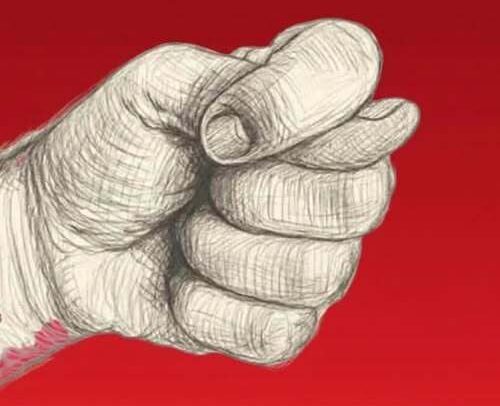
At first glance, the gesture may appear to be nothing more than a closed fist. It looks simple, ordinary, and easy to overlook. But when viewed more carefully, one small detail changes its meaning completely: the thumb is tucked between the fingers.
That detail turns a basic hand position into a gesture with a long and interesting past. Known as the fig gesture, it has been recognized in different cultures for centuries. Across time, it has carried meanings connected to refusal, humor, protection, and quiet communication.
Although the gesture is not commonly used in everyday life today, it remains a memorable example of how people once communicated without words. A single movement of the hand could deliver a message, express a feeling, or represent a shared tradition.
A Small Gesture With a Long History
The fig gesture is formed by closing the hand into a fist while placing the thumb between the fingers. To someone unfamiliar with its background, it may look unusual but harmless. For many generations, however, the gesture had meanings that depended heavily on culture, setting, and intention.
In some places, it was understood as a quiet refusal. In others, it was used playfully among friends or family members. In certain traditions, people believed it carried protective power and could help guard against negativity or bad luck.
This range of meanings is part of what makes the fig gesture so fascinating. It was never limited to one simple interpretation. Instead, it changed depending on who used it, where it appeared, and what people around it understood it to mean.
Like many older customs, the gesture became part of everyday life not because it required explanation, but because people learned it naturally. Children might see adults use it. Friends might recognize it in a joking exchange. Families might pass it down as part of ordinary conversation and tradition.
Communication Before Modern Technology
Long before people relied on smartphones, messaging apps, and emojis, communication often depended on body language. Facial expressions, posture, and hand signals could say things quickly without the need for a spoken sentence.
The fig gesture belonged to that world of silent communication. It gave people a way to express themselves in a direct but discreet manner. In certain situations, making a small gesture could be easier and calmer than speaking out loud.
This was especially useful in communities where public arguments were avoided or where people preferred indirect communication. A gesture could deliver a message while keeping the tone controlled. It allowed someone to show disagreement without raising their voice.
Because the fig gesture could be subtle, it carried a practical purpose. It was not always meant to attract attention. Sometimes it worked best because it was quiet, brief, and understood only by those who knew its meaning.
A Quiet Form of Refusal
In many rural communities across Europe, the fig gesture became associated with disagreement or refusal. Rather than responding with anger or confrontation, a person could make the gesture to show that they were not willing to accept something.
This kind of refusal was firm but not necessarily aggressive. It allowed someone to stand their ground while avoiding an unnecessary argument. The gesture could send a clear message without creating a larger conflict.
People might use it from a doorway, a window, or in a private exchange. In that sense, it functioned almost like a silent answer. It could mean that a request was being rejected, a proposal was not welcome, or a person was choosing not to engage further.
The value of the gesture came from its restraint. It showed that communication did not always require loud words or dramatic reactions. Sometimes a small movement could express enough.
Standing Firm Without Confrontation
Over time, the fig gesture became linked with the idea of standing firm while staying composed. It reflected a form of confidence that did not depend on shouting, arguing, or drawing attention.
That meaning gave the gesture a distinct place in social interaction. It could be used to set a boundary without escalating a situation. It suggested that a person had made a decision and did not need to explain it further.
In this way, the gesture represented more than refusal. It also reflected restraint. The person using it could communicate disagreement while still maintaining calmness and self-control.
This is one reason the gesture remained memorable in communities where harmony mattered. It allowed people to express themselves while reducing the chance of open conflict. The message was clear, but the method was quiet.
Protective Meanings in Tradition
The fig gesture also developed symbolic meanings in several cultural traditions. In parts of Eastern Europe and Russia, it was believed by many people to help protect against bad luck or negative intentions.
In these traditions, the closed fist suggested hidden strength. The tucked thumb added another layer of meaning, becoming a small protective symbol within the hand. Together, the shape of the gesture was seen as more than an ordinary movement.
For people who believed in its protective qualities, the gesture could serve as a kind of personal charm. It was small, easy to make, and always available. No special object was needed because the hand itself became the symbol.
This protective meaning helped the gesture move beyond simple communication. It became connected to belief, memory, and cultural identity. Even when used casually, it carried echoes of older traditions.
From Symbol to Family Custom
As generations passed, the fig gesture found its way into family life. Parents and grandparents sometimes introduced it to children through playful moments, teasing, or small everyday interactions.
For children, the gesture could feel mysterious at first. It looked unusual and seemed to have a hidden meaning. Learning it from an older relative often made it feel like part of a shared family language.
In many cases, the gesture was not used harshly. It could appear during harmless jokes, friendly disagreements, or lighthearted exchanges. The meaning depended on the relationship between the people involved.
This helped the gesture survive in memory even after it became less common in daily use. People may not use it regularly anymore, but they may still remember seeing it in childhood or hearing stories about what it meant.
A Playful Way to Ease Small Disagreements
One of the most interesting parts of the fig gesture is its ability to soften tension. In some settings, it helped settle minor disagreements with humor rather than harsh words.
Instead of turning a small conflict into a serious argument, someone could make the gesture playfully. When understood by both people, it could communicate refusal while also keeping the mood light.
This made the gesture useful among friends and relatives. It could say no, express resistance, or mark a teasing disagreement without damaging the relationship. The gesture carried meaning, but it did not always carry anger.
That balance between firmness and playfulness helped give the fig gesture its lasting charm. It was not only a sign of rejection or protection. It could also be a tool for everyday humor.
Why the Gesture Is Rare Today
Today, the fig gesture is not a common part of daily communication. Modern life has introduced faster and more direct ways to express feelings. Text messages, emojis, voice notes, and social media have changed how people share reactions.
Many older gestures have faded for the same reason. When communication moves into digital spaces, physical signals lose some of their everyday role. A hand gesture once used across a room may now be replaced by a short message on a screen.
Even in face-to-face conversation, people often rely on more widely understood expressions. Because the fig gesture is not familiar to everyone, its meaning can be missed or misunderstood. That has made it less useful in ordinary interaction.
Still, its decline does not make it meaningless. Instead, it shows how communication changes over time. Some customs remain active, while others become part of cultural memory.
Remembered Through Older Generations
Although the fig gesture is rarely seen today, some people still remember learning it from older relatives. For them, it may be connected less to formal history and more to personal memory.
A grandparent may have used it as a joke. A parent may have explained its meaning during childhood. A friend may have made it during a playful disagreement. These small moments often keep old customs alive long after they stop being widely practiced.
Family memories can give gestures emotional meaning. Even a simple movement of the hand can bring back a person, a place, or a moment from the past. That is one reason customs like the fig gesture remain interesting.
They are not only historical signs. They are also reminders of how traditions travel through families and communities, sometimes quietly and without formal instruction.
What the Fig Gesture Reveals About Human Communication
The story of the fig gesture shows that communication has always involved more than spoken language. People have long used movement, expression, and shared symbols to send messages quickly and effectively.
A gesture can carry emotion, intention, and cultural meaning all at once. It can be serious in one setting and playful in another. It can express refusal, offer protection, or create a moment of humor between people who understand it.
This flexibility is what makes gestures powerful. They are small, but they can hold layers of meaning. Their importance often comes from the shared understanding between the people using them.
The fig gesture is a clear example of this. It may look simple, but its history shows how much meaning can be contained in a single hand position.
A Small Movement With Lasting Cultural Significance
Looking back at the fig gesture offers a glimpse into how people once connected with one another. It belonged to a world where body language played a larger role in daily communication and where small signals could carry clear social meaning.
Its history includes quiet refusal, respectful firmness, playful teasing, and protective symbolism. Those meanings did not exist separately from everyday life. They were shaped by families, communities, and traditions passed from one generation to the next.
Although the gesture may no longer be widely used, it still holds cultural significance. It reminds us that even the smallest movements can reflect history, personality, belief, and shared experience.
In a time when communication is often fast, digital, and direct, the fig gesture stands as a reminder of an older form of expression. A tucked thumb inside a closed fist may seem simple, but for many people across time, it spoke without a single word.