
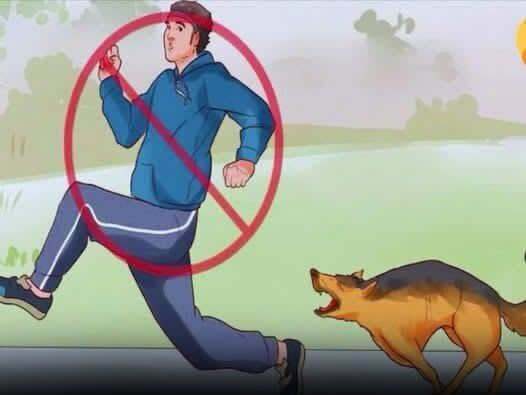
Why Dogs Chase People and What Their Behavior May Really Mean
Understanding a Common Dog Behavior
Dogs are naturally drawn to movement. Many enjoy chasing balls, sticks, toys, leaves, and almost anything that moves quickly in front of them.
For many dog owners, this behavior seems playful and harmless when it happens during a game. A dog running after a thrown ball or tree branch is often simply enjoying exercise, excitement, and interaction with its owner.
However, some dogs also chase people. This can be confusing, frightening, and sometimes dangerous, especially when the person being chased does not know the dog or understand why the animal is reacting that way.
There are several reasons a dog may run after a person. In many cases, the behavior is connected to instinct, fear, protection, territory, unfamiliar experiences, or past negative encounters with humans.
Although dogs are often described as loyal and loving companions, their behavior is shaped by both nature and experience. Chasing does not always mean a dog is aggressive, but it can signal that the animal is excited, threatened, cautious, protective, or poorly trained.
The Instinct to Chase Moving Things
One of the main reasons dogs chase people is their natural drive to pursue movement. This instinct is deeply rooted in canine behavior.
When a person runs, cycles, jogs, or moves quickly past a dog, that movement can trigger the animal’s chase response. The dog may react before it has time to understand what is happening.
This is similar to the way many dogs chase balls or sticks. The movement itself becomes exciting, and the dog feels compelled to follow it.
Some dogs have stronger chasing instincts than others. Their reaction may depend on temperament, breed tendencies, training, socialization, and daily environment.
A dog that has not been taught how to stay calm around moving people may be more likely to run after strangers, children, runners, cyclists, or delivery workers.
In some cases, the dog may not intend to hurt anyone. It may simply be reacting to motion. Still, the behavior can be frightening and should not be ignored.
Territory Can Influence a Dog’s Reaction
Dogs can also chase people because they are territorial animals. Many dogs see their home, yard, gate, or regular walking area as a space they need to guard.
When someone approaches that space, the dog may believe the person is an intruder. This can lead to barking, growling, showing teeth, or running toward the person.
This type of behavior often happens near houses, fences, driveways, or entrances. A dog may become especially alert when a stranger walks close to its home or steps onto property the dog considers familiar.
To the person being chased, the dog’s reaction may seem sudden and aggressive. To the dog, it may feel like a protective response.
The dog may believe it is defending its territory from someone unfamiliar. This is one reason some dogs bark loudly when people pass by their yard or knock on the door.
Territorial behavior can become stronger if the dog is rewarded by results. For example, if a person walks away after the dog barks, the dog may learn that barking and chasing successfully made the stranger leave.
Dogs May Feel Threatened by New People
Dogs are highly aware of their surroundings. They notice scent, sound, movement, body language, and posture.
When a dog meets someone unfamiliar, that person brings a new scent, a different way of walking, a unique voice, and body movements the dog may not recognize.
For some dogs, this can feel threatening. They may become cautious when they encounter a person whose appearance or behavior feels strange to them.
Even if the person has no bad intention, the dog may not understand that. A nervous or uncertain dog can respond by barking or chasing in an effort to create distance.
This behavior may be especially common in dogs that have not been exposed to many people, places, sounds, and situations while growing up.
New experiences can be stressful for animals that are not used to them. A dog that has spent most of its life in a limited environment may react strongly when it sees something unfamiliar.
Certain Human Traits Can Trigger a Reaction
Some dogs react strongly to specific human traits or accessories. A person wearing a hat, glasses, large coat, uniform, or carrying an object may appear unusual to the dog.
For one dog, glasses may be unsettling. For another, a hat may cause suspicion. Some dogs may also react to a person’s voice, walk, height, or sudden hand movements.
These reactions do not always make sense to people. A harmless object or ordinary appearance may still seem unfamiliar or threatening to a dog.
Dogs rely heavily on observation. If something looks different from what they are used to, they may become alert and defensive.
A dog may also connect a certain trait with a past experience. If it was once frightened or hurt by someone wearing a particular type of clothing, it may react negatively when it sees something similar again.
This does not mean the dog dislikes all people. It may simply be responding to a detail that has become associated with fear or uncertainty.
Protection of the Owner
Dogs are often called man’s best friend because of their loyalty and emotional connection with humans. Many dogs form strong bonds with their owners and may try to protect them.
When a stranger approaches, a dog may interpret the situation as a possible threat. This can lead to barking, lunging, or chasing.
In the dog’s mind, it may be acting as a guardian. It may believe it is keeping its owner safe by driving the stranger away.
This protective instinct can be valuable in some situations, but it can become a problem if the dog reacts to ordinary people who pose no danger.
A dog that tries to protect its owner from every passerby, guest, or neighbor may become difficult to control. Without proper training, protective behavior can turn into fear-based or aggressive behavior.
Owners should understand that loyalty does not remove the need for boundaries. A dog can be loving and protective while still learning how to behave calmly around others.
Dogs Observe Human Behavior Carefully
Dogs are keen observers. They pay close attention to how people move, speak, approach, and behave.
Many dogs remember repeated patterns. If someone acts in a way that seems threatening, unpredictable, or aggressive, the dog may respond with caution.
A dog may notice tension in a person’s body, loud voices, fast movements, or unusual gestures. These signs can influence how the dog reacts.
Because dogs are so observant, they may sometimes respond to small details people do not notice. Their behavior can appear sudden, but the dog may have been watching and evaluating the situation for several moments.
This does not mean dogs can perfectly judge every person. However, they do often respond strongly to body language and energy.
A calm approach may help some dogs feel more secure, while sudden movement or loud behavior may make them more defensive.
Past Experiences Can Shape Aggressive Behavior
A dog’s past can have a major effect on how it behaves around people. If a dog has been hurt, frightened, or mistreated by humans, it may become cautious around strangers.
This caution may appear as barking, growling, or chasing. The dog may be trying to prevent another painful experience from happening.
Dogs with negative past experiences may not immediately trust new people. Even kind strangers can make them nervous if they associate humans with danger.
In these cases, the dog’s reaction is often connected to fear rather than true aggression. It may chase or bark because it wants the person to stay away.
Understanding this background is important. Punishing a fearful dog harshly may make the behavior worse by increasing stress and mistrust.
Instead, patient training, gentle handling, and gradual exposure to safe experiences can help the dog feel more secure over time.
Early Treatment Matters
One way to reduce unwanted chasing or aggressive behavior is to treat dogs well from the time they are young. Early care, kindness, and consistency can shape how a dog responds to the world.
A dog that grows up feeling safe is more likely to respond calmly to new people and situations. Harsh treatment, neglect, or fear can have the opposite effect.
Young dogs benefit from being exposed to different environments, sounds, scents, people, and everyday experiences. This helps them understand that unfamiliar things are not always dangerous.
When dogs are gently introduced to new situations, they can become more confident. Confidence often reduces fear-based reactions such as barking, chasing, or growling.
Exposure should be gradual and positive. Forcing a frightened dog into stressful situations can increase anxiety rather than solve the problem.
The goal is to help the dog learn calmly, not overwhelm it.
Training Can Help Control Chasing
Good training is one of the most important ways to manage a dog that chases people. Dogs need to learn basic commands and understand how to respond when their owner gives direction.
Commands such as sit, stay, come, and leave it can help redirect a dog before chasing begins. These commands are most effective when practiced regularly in calm settings before they are needed in stressful moments.
Training should focus on consistency. A dog needs clear expectations and repeated practice to understand what behavior is acceptable.
If a dog only receives correction after it has already started chasing, it may not learn what to do instead. Teaching an alternative behavior is often more effective.
For example, a dog can be trained to sit and look at its owner when a jogger passes rather than running after the person.
This kind of training helps the dog build self-control and gives the owner a safer way to manage the situation.
Positive Reinforcement Is Helpful
Positive reinforcement can be useful when teaching dogs to behave calmly around people. A small treat, praise, or gentle affection can reward the dog when it makes the right choice.
If a dog stays calm while a stranger passes, rewarding that behavior helps the dog connect calmness with something pleasant.
Over time, the dog can learn that not chasing people leads to a better outcome than barking or lunging.
Rewards should be given at the right moment. The dog needs to understand exactly which behavior earned the reward.
Positive reinforcement does not mean ignoring dangerous behavior. It means guiding the dog toward better behavior and rewarding progress.
This approach can be especially helpful for dogs that chase because of fear, uncertainty, or excitement.
Why Owners Should Take the Behavior Seriously
Even when a dog does not intend harm, chasing people can create serious problems. The person being chased may panic, fall, or react defensively.
Children, elderly people, cyclists, and runners may be especially vulnerable if a dog runs after them unexpectedly.
Owners should not dismiss the behavior as harmless fun. A dog that chases people needs guidance, training, and safe management.
Keeping the dog on a leash, securing fences, and supervising outdoor time can help prevent incidents while training is ongoing.
It is also important for owners to watch for early warning signs. Stiff posture, intense staring, raised alertness, growling, or sudden pulling may all signal that a dog is about to chase.
Recognizing these signs early allows the owner to redirect the dog before the situation escalates.
A Behavior With Many Possible Causes
Dogs may chase people for many reasons. Some are driven by instinct, while others are reacting to fear, territory, protection, past experiences, or unfamiliar traits.
The behavior does not always mean the dog is bad or naturally aggressive. In many cases, the dog is responding to something it does not understand.
Still, the behavior should be addressed with care. Dogs need patient training, proper socialization, and positive guidance to learn how to respond safely around people.
Owners can help by treating dogs kindly from an early age, exposing them to different sounds and scents, and rewarding calm behavior around others.
When a dog feels secure and understands what is expected, it is less likely to chase strangers out of fear or confusion.
Dogs remain loyal companions, but they also need structure. With the right care and training, many dogs can learn to replace chasing with calm, controlled behavior.
Understanding why dogs chase humans is the first step toward preventing it. When owners recognize the reasons behind the behavior, they can help their pets become safer, calmer, and more confident around people.