
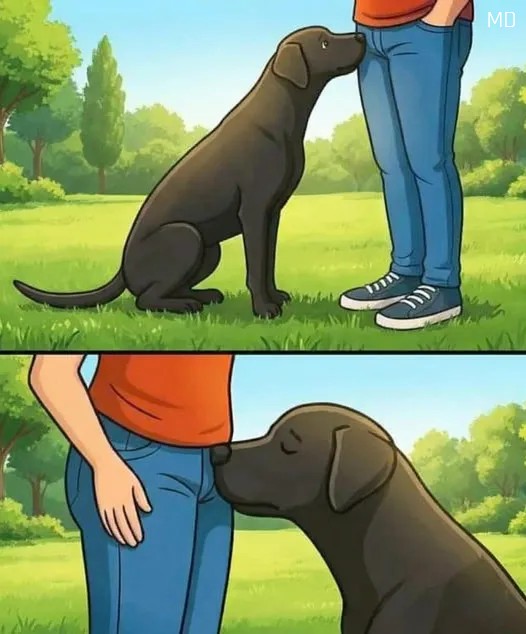
Understanding Why Dogs Sniff: A Deeper Look Into Canine Communication
The True Meaning of Responsible Dog Ownership
Being a genuinely responsible and caring dog owner involves far more than meeting basic daily needs. Providing food, water, and shelter is essential, but it represents only the beginning of a much deeper connection.
Building a meaningful relationship with a dog requires learning how they perceive the world and how they naturally communicate. This understanding creates a stronger bond based on patience, trust, and mutual respect.
Dogs experience their surroundings in ways that differ greatly from humans. Recognizing these differences allows owners to respond appropriately and support their pets in a more thoughtful and informed manner.
A World Guided by Scent
Humans rely heavily on vision to navigate everyday life, but dogs depend on an entirely different sensory priority. Their sense of smell plays a central role in how they interpret and understand everything around them.
This heightened reliance on scent influences how dogs gather information, recognize familiar individuals, and assess new environments. It is not simply a preference but a fundamental aspect of how they function.
Because of this, many of a dog’s behaviors are driven by scent exploration. What may appear unusual to humans is often completely natural from a dog’s perspective.
The Importance of Natural Instincts
A dog’s instinct to explore through smell is deeply rooted and cannot be separated from its identity. This instinct supports learning, memory, and social interaction.
When encountering new people or unfamiliar places, dogs rely on scent as their primary source of information. This allows them to feel more secure and better understand their surroundings.
Respecting these instincts can help reduce stress and confusion. It also makes it easier for owners to guide their dogs calmly without unnecessary frustration.
The Anatomy of a Dog’s Sense of Smell
The biological structure of a dog’s nose is remarkably advanced. Their olfactory system is designed to detect and process scents at a level far beyond human capability.
Dogs possess up to 300 million scent receptors, while humans have only about five million. This dramatic difference highlights the importance of smell in a dog’s daily life.
This enhanced system allows dogs to detect subtle details that humans cannot perceive. It also explains why scent plays such a dominant role in their behavior.
Why Dogs Sniff People
One behavior that often surprises people is when a dog greets someone by sniffing them. While it may feel uncomfortable or unexpected, this action is completely normal.
From a dog’s perspective, sniffing is a polite and essential way to gather information. It is comparable to how humans use conversation to learn about one another.
Through scent, a dog can determine familiarity, identity, and even subtle emotional changes. This process helps them decide how to respond and interact.
Communication Beyond Words
Dogs do not rely on spoken language in the same way humans do. Instead, they use body language, behavior, and scent to communicate effectively.
Sniffing plays a key role in this communication system. It allows dogs to understand who someone is without needing visual or verbal confirmation.
This method of interaction is efficient and deeply ingrained. It is not random or inappropriate, but rather a structured and meaningful exchange.
Understanding Social Behavior in Dogs
Social interactions among dogs are guided by scent-based communication. When meeting others, they instinctively gather information through smell.
This behavior helps them establish familiarity and determine whether a situation is safe. It is a natural part of how they build trust.
When dogs extend this behavior toward humans, they are simply applying the same instincts. Recognizing this can help reduce misunderstandings.
Building Trust Through Awareness
Owners who understand these behaviors are better equipped to create a calm and supportive environment. Allowing dogs to explore safely through scent can strengthen trust.
Reacting negatively to natural behaviors may lead to confusion or anxiety. Instead, gentle guidance and awareness encourage a more positive relationship.
Trust develops when a dog feels understood. Acknowledging their needs helps build that foundation over time.
Reducing Misinterpretation
Many people misinterpret sniffing as inappropriate or unwanted behavior. This misunderstanding often comes from viewing actions through a human perspective.
Recognizing that dogs rely on scent can shift this viewpoint. It becomes clear that sniffing is not intrusive, but informative.
When owners and visitors understand this, interactions become more relaxed and comfortable for everyone involved.
The Role of Emotional Awareness
Dogs are highly sensitive to changes in emotional states. Through scent, they can detect subtle variations that humans may not notice.
This ability allows them to respond to moods and behaviors in a unique way. It also contributes to their strong connection with people.
Sniffing helps them gather this emotional information, making it an important part of their interaction process.
Encouraging Healthy Behavior
Supporting natural behaviors is essential for a dog’s well-being. Preventing them from using their sense of smell can limit their ability to explore and understand their environment.
Providing safe opportunities for scent exploration encourages mental stimulation and confidence. It also helps reduce stress.
Healthy behavior develops when dogs are allowed to act in ways that align with their instincts.
Creating a Balanced Relationship
A balanced relationship between a dog and its owner is built on understanding and communication. Recognizing how dogs perceive the world is a key part of that balance.
When owners adapt to their dog’s natural behaviors, interactions become smoother and more meaningful. This reduces frustration on both sides.
Over time, this understanding leads to a deeper and more respectful connection.
Seeing the World Through a Dog’s Perspective
Understanding a dog’s reliance on scent offers valuable insight into their behavior. It reveals why certain actions occur and how they serve a purpose.
Viewing the world from a dog’s perspective allows owners to respond with empathy. This shift can transform everyday interactions.
It also highlights the importance of patience and awareness in building a strong bond.
Conclusion
Dogs rely on their sense of smell to navigate their world, communicate, and build relationships. What may seem unusual to humans is often a natural and essential behavior.
Sniffing is not random or inappropriate, but a structured way for dogs to gather information and connect with others. Understanding this behavior helps create a more positive experience for both dogs and their owners.
By respecting these instincts and learning how dogs perceive their environment, owners can develop a deeper, more trusting relationship that supports long-term well-being.