
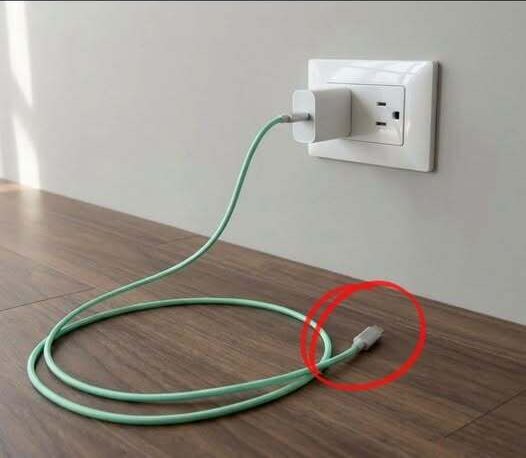
Why Unplugging Chargers Can Help Create a Safer and More Organized Home
The Small Habit Many People Overlook
Most people think about home safety in obvious ways. They check doors, watch for leaks, keep sharp objects away from children, and make sure appliances are used properly.
Yet one everyday habit often goes unnoticed: leaving chargers plugged into outlets long after they are no longer being used.
A phone charger beside the bed, a laptop adapter near the sofa, a tablet cord in the kitchen, or an old device charger in a hallway outlet may seem harmless. There may be no sparks, no smoke, no strange sound, and no clear sign of danger.
Because nothing dramatic happens, many people assume there is nothing to worry about.
But a charger left in the wall still becomes part of the home’s electrical environment. Even when it is not charging a device, it may continue to draw a small amount of power and place a constant presence on the outlet where it sits.
One charger may not seem important. The issue becomes easier to notice when one forgotten charger turns into several scattered throughout the home.
A Quiet Load in the Background
Chargers are designed to move power from the outlet into a device. When they are left plugged in, they do not simply disappear from the system because the phone, tablet, or laptop has been removed.
They remain connected to the electrical supply. That connection may create a small but continuous demand in the background.
This demand may be minor in each individual case, but it still represents energy being used for no useful purpose. Over time, the habit can contribute to unnecessary electricity use and add to the feeling of waste inside the home.
For many households, the bigger concern is not only the amount of power involved. It is the pattern of leaving items connected without thinking about whether they need to be there.
A plugged-in charger becomes part of a routine that people stop noticing. It blends into the room, even though it is still occupying the outlet and remaining active in the background.
That is why unplugging unused chargers is not just about reducing energy use. It is also about becoming more aware of what is constantly connected around you.
How Forgotten Chargers Add Up
In many homes, chargers multiply quickly. A family may have several phones, tablets, wireless headphones, portable speakers, watches, laptops, and other rechargeable devices.
Each device often comes with its own cable or adapter. Over time, older chargers may remain plugged in even after the original device is no longer used.
One outlet near a nightstand may hold a phone charger. Another in the living room may hold a laptop charger. A kitchen outlet may have a tablet cable. A hallway outlet may contain a charger someone forgot weeks ago.
Individually, each one seems small. Together, they can create clutter, confusion, and a constant background load that serves little purpose.
This is especially true when people leave chargers in outlets simply because it feels convenient. The charger is ready whenever needed, but that convenience can come with a cost.
The home slowly fills with cords and adapters that are not actively being used, yet remain connected every day.
The Outlet Also Matters
People often focus on the charger itself, but the outlet is also part of the picture. An outlet is meant to hold plugs securely and safely.
When chargers are repeatedly left hanging from the wall, pushed behind furniture, bumped by feet, or pulled at odd angles, the outlet can begin to feel less secure over time.
A loose plug is a sign that the setup is no longer as firm as it should be. A charger that slips out easily, wobbles in the socket, or feels unstable should not be ignored.
Loose connections can create concern because they make the electrical contact less reliable. Even if there is no immediate emergency, the outlet no longer feels trustworthy.
Unplugging chargers after use reduces the amount of time that adapters remain sitting in outlets unnecessarily. It also makes it easier to notice whether an outlet is becoming loose or worn.
A home feels safer when its outlets are clear, accessible, and used only when needed.
Warm Plastic Should Get Your Attention
Another detail worth noticing is heat. Many chargers may feel slightly warm during normal use while they are charging a device.
But a charger that feels unusually warm, especially when it is not actively charging anything, deserves attention.
Warm plastic can be a warning sign that the charger should be removed from the outlet and checked carefully. It may be old, damaged, poorly fitted, or no longer working as it should.
A suspiciously warm charger should not be ignored or treated as normal simply because it has always been there.
The same applies to chargers with frayed cords, cracked casings, bent prongs, damaged plugs, or loose cable connections. These items should not continue to be used around the home.
Keeping damaged chargers plugged in adds unnecessary risk and makes the electrical setup feel less dependable.
Unplugging Is Not About Fear
Unplugging chargers after use does not have to come from fear or panic. It is not about imagining danger in every outlet or treating every charger as a threat.
Instead, it is a simple act of intention.
When you unplug a charger after using it, you make a clear decision that the outlet should not stay occupied for no reason. You also prevent the charger from drawing power when it has no job to do.
This small action can help shift the way you manage your home. Instead of leaving cords behind as background clutter, you begin to treat electrical items as things that should be used, checked, and stored with care.
The result is a home that feels more controlled and less chaotic.
Safety often comes from ordinary habits repeated consistently. Unplugging chargers is one of those habits.
A Cleaner Space Around Your Outlets
Chargers left around the house do more than use outlets. They also create visual clutter.
Cords draped across tables, adapters sticking out of walls, and tangled cables near furniture can make a room feel less organized. Even when the rest of the space is clean, scattered chargers can make it look unfinished.
When chargers are unplugged and stored neatly, the area around each outlet becomes clearer. The room looks calmer, and it becomes easier to see what is actually being used.
This also makes cleaning simpler. Dust can collect around adapters and cords, especially when they are left in place for long periods.
Removing unused chargers helps keep outlets and nearby surfaces easier to manage.
A clear outlet is easier to inspect. A clear floor or table is easier to clean. A neatly stored cord is less likely to be stepped on, bent, or damaged.
Protecting the Chargers Themselves
Chargers are not meant to last forever. Like other household items, they can wear down with use and age.
Leaving them plugged in constantly can keep their internal components active longer than necessary. Over time, this can contribute to wear.
A charger that is always connected may also be more likely to get bumped, bent, pulled, or trapped behind furniture. These small stresses can shorten its useful life.
By unplugging chargers and storing them properly, you help protect them from unnecessary strain.
A charger kept in a drawer, basket, or designated charging area is less exposed to accidental damage. It is also easier to find when needed.
This simple habit can reduce clutter while helping you keep track of which chargers are still in good condition.
When a Charger Should Be Discarded
Not every charger should be kept. Some should be removed from use immediately.
A charger with a frayed cord should not remain in service. A charger with exposed wiring, cracked plastic, bent metal parts, or a loose connection should also be discarded.
If a charger becomes suspiciously warm, smells unusual, or does not sit firmly in the outlet, it should not be treated as reliable.
Keeping questionable chargers around the house can create confusion. Someone may grab one without realizing it is damaged.
For that reason, it is better to remove unsafe or unreliable chargers completely rather than leaving them in a drawer where they may be used again later.
A safer home often depends on removing small risks before they become bigger problems.
Building a Better Charging Routine
A better routine does not need to be complicated. After a device finishes charging, unplug the charger from the wall and put it in a regular place.
This could be a drawer, a small storage box, a desk organizer, or a specific charging station. The important part is consistency.
When every charger has a place, the home becomes easier to manage. Family members know where to find what they need, and outlets are not filled with forgotten adapters.
This also helps prevent the common problem of tangled cords. A few seconds of organizing after each use can save time later.
Neatly stored chargers are easier to inspect. You can quickly see whether a cord is damaged, whether an adapter is cracked, or whether something should be replaced.
The habit supports both safety and order.
A Small Choice That Changes the Home Environment
Many home safety improvements are simple. They do not always require major repairs, expensive equipment, or dramatic changes.
Sometimes, they begin with noticing what has become normal.
A charger left in the wall may seem like nothing. But when many chargers are left plugged in across a home, they create unnecessary power use, clutter, outlet strain, and avoidable wear.
Unplugging them is a small decision that makes the space feel more intentional.
It clears outlets. It reduces background electrical use. It encourages people to inspect cords and discard anything damaged. It also helps create a calmer and more organized home.
The goal is not to live in fear of every adapter. The goal is to use them with awareness.
When a charger is needed, plug it in. When the charging is done, remove it, store it neatly, and leave the outlet free.
That tiny habit can make your home feel safer, cleaner, and more dependable every day.