
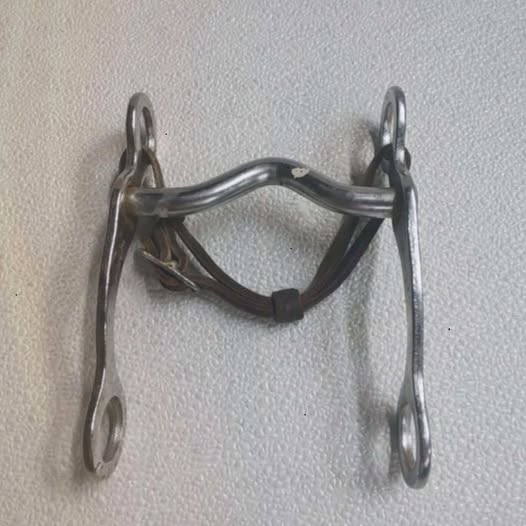
Vintage Horse Bits Reveal More Than 5,000 Years of Equestrian History
From Early Bone and Leather Tools to Specialized Metalwork
Vintage horse bits are more than old pieces of riding equipment.
Their changing shapes, materials and construction methods preserve evidence of a relationship between humans and horses that developed over more than 5,000 years.
From early tools made with bone and leather to carefully crafted metal designs, each stage in their development reflects changing ideas about riding, control and communication.
These objects also reveal the abilities of the people who made them and the social importance attached to horses in different periods.
A bit had a practical purpose, but its design could communicate far more than function alone. Its material, complexity and decoration could also suggest craftsmanship, personal identity and social status.
A tool shaped by communication
At its most basic level, a horse bit helped create a line of communication between a rider and an animal.
That communication depended on signals rather than spoken language. The rider needed equipment capable of transmitting direction while responding to the horse’s movement.
This made the bit an important point of connection.
Its design had to reflect both human intentions and the physical presence of the horse. A poorly considered object would be less effective, while a carefully shaped one could support clearer interaction.
Over thousands of years, changing bit designs demonstrated an effort to make that interaction more controlled and specialized.
The development was not merely a progression from simple objects to elaborate ones. It represented generations of practical observation, adaptation and craftsmanship.
The earliest materials
Before specialized metalworking became available, early equestrian tools were made from materials people could obtain and shape with existing skills.
Bone and leather offered practical possibilities for constructing equipment used around horses.
These early materials reflected the resources and techniques available at the time. They could be cut, tied, shaped and combined to create tools suitable for a particular purpose.
Leather provided flexibility, while bone offered a firmer material that could be formed into useful components.
The surviving concept of these early tools provides an important starting point for understanding the later development of horse bits.
They show that the desire to communicate more effectively with horses existed long before advanced metal designs appeared.
Function came before decoration
The earliest horse bits were primarily working objects.
Their value came from what they allowed riders to do rather than how impressive they appeared.
Every part of the design needed to serve a purpose. The object had to connect with other riding equipment, remain usable during movement and convey signals from the rider.
Those practical demands influenced its size, shape and construction.
Even a basic bit represented a thoughtful solution to a complicated problem: how could a person guide a powerful animal through small, understandable signals?
That challenge remained central as bit designs became more sophisticated.
The transition to metalworking
The use of metal marked an important change in the history of horse bits.
Metal allowed craftspeople to produce stronger and more specialized forms than those possible with bone and leather alone.
It also created new opportunities for shaping individual components with greater precision.
As metalworking skills developed, bit makers could create designs intended for different uses and preferences. The equipment became increasingly varied rather than following one universal form.
This transition reflected more than a simple change in material.
It demonstrated the connection between equestrian practices and wider advances in craftsmanship. When makers gained new tools and techniques, the equipment used with horses evolved alongside them.
Craftsmanship preserved in every object
A vintage horse bit can reveal the decisions made by the person who created it.
The shaping of the metal, the joining of its components and the balance of the completed object all required skill.
Unlike an object valued only for appearance, a horse bit needed to function reliably. Its maker therefore had to combine practical understanding with technical ability.
The finished piece needed to withstand use while maintaining the form required for communication between horse and rider.
Small variations could reflect the hand of an individual craftsperson, the tools available or the needs of the person who commissioned the equipment.
Each surviving bit can therefore be viewed as a record of both equestrian experience and skilled labor.
Why designs became specialized
As riding practices developed, horse bits became more specialized.
Different situations could require different forms of communication and control. A single design could not necessarily satisfy every rider, horse or purpose.
Specialization allowed the equipment to respond to those differences.
The appearance of varied designs demonstrated a growing understanding that communication with a horse could be influenced by the form of the tool being used.
This encouraged makers to alter shapes and components while preserving the bit’s essential function.
Over time, the variety itself became part of the historical record. It showed how people continuously adjusted their equipment rather than treating early solutions as permanent.
Evidence
Vintage Horse Bits Reveal More Than 5,000 Years of Equestrian History
From Simple Bone and Leather Tools to Specialized Metal Designs
Vintage horse bits offer a fascinating way to explore more than 5,000 years of equestrian history.
These objects were created for a practical purpose, but their designs also reveal changing ideas about craftsmanship, communication and social status.
From early tools made with bone and leather to carefully shaped metal pieces, the development of horse bits followed the changing relationship between people and horses.
Each surviving example represents a particular approach to guiding an animal. Its shape, material and construction can provide clues about the skills and priorities of the people who made and used it.
Viewed together, vintage bits form a physical record of how equestrian equipment evolved across thousands of years.
The earliest forms served a practical need
The oldest horse bits were created before specialized metalworking became the standard method of production.
Early riders and handlers relied on materials that were available to them, including bone and leather.
These early tools may appear simple when compared with later metal examples, but they represented an important development in the history of horse handling.
A bit created a point of communication between a person and a horse. Through controlled pressure and movement, the handler could send signals intended to guide the animal.
The effectiveness of the tool depended not only on the material but also on the way it was shaped, fitted and used.
Even the earliest designs therefore reflected an effort to create clearer communication between two very different living beings.
Horse bits became part of a communication system
A horse bit cannot be understood simply as an isolated object.
Its purpose was connected to the actions of the rider, the responses of the horse and the other equipment used alongside it.
Small movements could carry meaning when both horse and handler understood the signals being exchanged.
This made the bit part of a broader system of communication rather than merely a piece of equipment.
As equestrian knowledge developed, designs could be adjusted to produce different responses or meet different practical requirements.
The history of bits therefore reflects a long process of people studying how horses responded to particular forms, materials and movements.
The transition toward metalworking
The use of metal marked an important stage in the evolution of horse bits.
Metal allowed craftspeople to create durable pieces with more specialized forms. It also opened new possibilities for shaping components with greater consistency.
This transition did not erase the importance of earlier bone and leather designs. Instead, it built upon the practical knowledge developed through generations of handling horses.
Craftspeople could refine familiar ideas while exploring new ways to construct stronger or more detailed equipment.
The resulting pieces reflected both function and technical ability.
A metal bit required knowledge of the chosen material, control over the shaping process and an understanding of how the finished object would interact with a horse.
Functional design remained central
Although many vintage bits are visually impressive, their fundamental purpose was practical.
Every curve, connection and moving component could affect how the tool functioned.
The design needed to work as part of the communication between rider and horse. A piece that looked elaborate but failed in use would not fulfill its essential role.
For this reason, the appearance of a vintage bit should be considered alongside its construction.
Its proportions, joining points and overall shape can reveal the importance placed on control, responsiveness and durability.
Changes in design show how makers continued adapting equestrian tools instead of treating one form as permanently complete.
Craftsmanship became visible in ordinary equipment
Horse bits also demonstrate how practical objects can become expressions of craftsmanship.
A maker was responsible for transforming basic material into a tool capable of withstanding repeated use.
That work required careful attention. Rough or poorly formed surfaces could interfere with the purpose of the piece, while weak connections could make it unreliable.
As metalworking became more specialized, craftspeople could create designs that reflected increasing technical confidence.
The finished bit could show the maker’s control over shape, symmetry and construction.
Even when decoration was limited, the quality of the work remained visible in how the individual parts fitted together.
Materials reveal changing knowledge
The movement from bone and leather toward specialized metal forms illustrates how available materials influenced equestrian equipment.
Each material presented different possibilities and limitations.
Leather offered flexibility, while bone could be shaped into solid components. Metal introduced another level of durability and allowed makers to produce increasingly specialized pieces.
The selection of material was therefore closely connected to the intended design.
As knowledge changed, the construction of bits changed with it. New techniques allowed existing ideas to be expressed in different forms.
A collection of vintage bits can make that progression visible, turning technological development into something that can be directly examined.
Designs reflected their intended roles
Not every horse bit was made for precisely the same situation.
Specialized designs emerged because equestrian activities and expectations could differ.
Makers adjusted their work to meet those different needs, producing objects whose forms were connected to their intended functions.
This is one reason vintage bits can vary so greatly in appearance.
Some seem relatively plain and direct, while others contain multiple connected elements or more carefully finished surfaces.
The differences were not always decorative. They could reflect distinct approaches to communication, guidance and handling.
Horse bits could communicate social status
Beyond their practical purpose, vintage horse bits could also reflect social standing.
Equipment required resources, skilled labor and access to suitable materials. A carefully made bit could therefore represent more than the needs of the horse and rider.
Its construction might also communicate the owner’s position, priorities or ability to obtain specialized work.
This gave some pieces a dual identity.
They remained functional tools, but their appearance and craftsmanship could carry a social meaning visible to other people.
An especially refined example could demonstrate that the owner valued both effective equipment and the status associated with skilled workmanship.
Practical tools became historical objects
The people who originally used these bits may have viewed them primarily as working equipment.
Over time, however, an ordinary object can acquire a very different significance.
Wear on the surface can show that a piece was actively used. Its construction can preserve the methods of a craftsperson, while its design can represent the equestrian knowledge of its period.
What once belonged in daily work can therefore become a historical artifact.
Vintage bits connect broad changes in technology and culture with the physical actions of individual riders, makers and horses.
Their history is not abstract. It survives in the material, shape and signs of use found on the objects themselves.
Why old bits remain visually distinctive
Many vintage horse bits immediately attract attention because they look unlike modern everyday objects.
Their combinations of straight lines, curves, rings and joined components create recognizable silhouettes.
Without context, an unfamiliar design may appear mysterious. Once its equestrian purpose is understood, the arrangement becomes easier to interpret.
Features that initially seem unusual begin to reveal a practical logic.
The object was designed to connect with other equipment, respond to movement and support communication between a person and an animal.
This combination of unfamiliar appearance and functional purpose gives vintage bits much of their enduring appeal.
Each surviving example has several stories
A vintage bit can be examined from multiple perspectives.
As a tool, it shows how a person attempted to guide a horse. As a crafted object, it reveals choices involving material, form and construction.
As a historical artifact, it represents a stage within more than five millennia of equestrian development.
It may also reflect social meaning through the quality or complexity of its design.
These different interpretations can exist within the same object.
A single bit can therefore tell a story about work, technical knowledge, human-animal communication and the values attached to equestrian life.
The evolution was gradual
The development from bone and leather tools to specialized metalwork did not occur as one sudden transformation.
It represented a gradual accumulation of practical experience.
People continued observing horses, testing equipment and modifying designs. Craftspeople applied their growing abilities to the needs of riders and handlers.
Over many generations, those changes produced an increasingly diverse range of bits.
Each new form remained connected to the same basic challenge: creating an effective way for people and horses to communicate.
The materials and techniques changed, but that central purpose continued.
Understanding them requires more than admiring their age
The age of a vintage horse bit is only one reason it may be significant.
Its real historical value lies in the combination of function, material and workmanship.
Looking closely at a piece can reveal how practical needs shaped its construction.
The object can also show how craftsmanship transformed necessary equipment into something distinctive.
When social status influenced the design, the bit gained another layer of meaning beyond its immediate use.
Understanding all of these elements provides a fuller picture than treating the object only as an old piece of metal.
A lasting record of horses and humans
Vintage horse bits preserve a long history of interaction between people and horses.
They demonstrate how humans developed tools to make that relationship more responsive and organized.
The earliest bone and leather forms show the beginnings of this effort, while later metal examples reveal expanding technical skill and specialization.
Their functional designs document changing approaches to equestrian communication. Their construction highlights the abilities of the people who made them, and their appearance can reflect the social importance attached to horses and their equipment.
Across more than 5,000 years, the horse bit evolved from a simple practical tool into an object capable of revealing multiple parts of human history.
Today, vintage examples remain tangible reminders of the knowledge, craftsmanship and relationships that shaped equestrian life over thousands of years.