
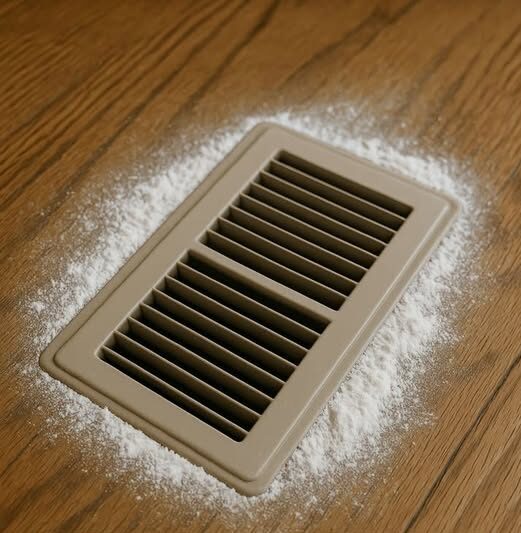
What That Fine White Powder Under Your Vents Could Really Mean
A Common Household Mystery
Finding a layer of fine white powder collecting beneath air vents can be both confusing and frustrating. Many homeowners notice the buildup returning even after repeated cleaning, leading to concerns about air quality and overall home safety.
This issue is more widespread than many people realize. While the appearance of white dust may seem alarming, the cause can range from minor maintenance issues to more serious underlying problems within a home’s ventilation system.
Understanding what is creating the powder is the first step toward resolving it effectively and protecting indoor air quality.
Why White Dust Often Appears Around Vents
One of the primary reasons fine white dust accumulates near vents is the gradual wear and tear inside an HVAC system. Over time, materials used in duct construction and insulation can begin to degrade.
As air circulates through the system, loose particles are carried through the ductwork and released into living spaces. These particles eventually settle on surfaces, often concentrating directly beneath vents.
In older homes, this issue can become more noticeable because components have been exposed to years of temperature changes, airflow pressure, and normal aging.
The Role of Everyday Household Dust
Not all white powder signals a mechanical issue. Ordinary household dust can also gather around vents and appear unusually fine when concentrated.
Air circulation pulls in tiny particles from throughout the home, including skin cells, fabric fibers, and other microscopic debris. Once these particles pass through the HVAC system, they can settle in visible clusters.
When dust collects in specific areas repeatedly, it may look more suspicious than it actually is.
Deteriorating Duct Liner and Internal Insulation Breakdown
A more specific and common source of fine white powder is deteriorating duct liner material. Many HVAC systems use fiberglass-based liners to insulate ductwork and reduce operational noise.
As these materials age, they can begin to crumble. Moisture exposure, vibration, and general mechanical wear accelerate this breakdown.
Systems that are more than 15 years old are particularly susceptible, especially if routine maintenance has been inconsistent. When insulation fragments enter the airflow, they can distribute a steady stream of fine particles throughout the home.
This not only creates visible dust but may also contribute to declining indoor air quality.
Identifying Crumbling Insulation as the Source
Determining whether duct insulation is responsible requires careful observation. Close inspection around vents may reveal tiny shard-like particles resembling fiberglass texture.
Using a flashlight to examine visible duct interiors can expose cracks, loose sections, or frayed lining material. Areas where insulation appears uneven or damaged may confirm internal deterioration.
A simple test involves wiping a damp cloth along accessible duct surfaces. If the cloth collects a noticeable amount of fine white residue, insulation breakdown may be occurring.
Construction Dust and Drywall Debris
Homes that have recently undergone renovations may experience white dust buildup due to leftover construction debris. Drywall sanding produces extremely fine powder that can easily enter ventilation systems.
Even minor remodeling projects can allow dust to circulate throughout ductwork. Once inside, it may continue to distribute particles long after the work has been completed.
If the appearance of white dust coincides with recent construction activity, lingering debris inside the ducts may be the cause.
Aging Plaster, Paint, and Ceiling Materials
In older homes, materials such as plaster walls, popcorn ceilings, and aging paint may gradually shed fine particles. HVAC airflow and vibration can intensify this shedding process.
Flaking paint or small plaster fragments can break loose and become airborne. Over time, these particles collect near vents and other high-circulation areas.
Visible peeling or crumbling surfaces around vents may indicate that structural materials, rather than duct components, are contributing to the dust problem.
Distinguishing Harmless Dust from Potential Hazards
In many cases, white dust is simply an accumulation of non-toxic household debris. However, persistent respiratory irritation, coughing, or allergy-like symptoms may signal a more serious concern.
While common dust is generally harmless, other substances can pose health risks. Mold spores, chemical residues, and certain outdated insulation materials may release particles that require further investigation.
Changes in air quality or unexplained health symptoms should never be ignored.
Ruling Out Asbestos, Mold, and Pest Activity
Older homes sometimes contain materials that may raise safety concerns. If insulation or other components were installed decades ago, professional evaluation may be necessary to rule out hazardous substances.
Mold can also produce fine, powder-like spores, especially in areas where moisture has been present. Water damage near vents or musty odors may suggest mold growth.
Pest activity is another possibility. Rodents or insects nesting in ductwork can leave debris that resembles dust. Signs such as droppings or nesting materials should prompt further inspection.
The HVAC Filter Trend That Can Backfire
A popular online trend suggests using multiple air filters or high-rated filters to improve air quality. While well-intentioned, this approach can sometimes create new problems.
Overly restrictive filters limit airflow, increasing internal system pressure. This pressure may dislodge existing debris inside ductwork and push more particles into living spaces.
Selecting filters that match system specifications is essential to avoid worsening dust accumulation.
Simple Home Testing Methods
Homeowners can perform basic evaluations before calling professionals. Collecting a small dust sample and examining it under magnification may provide clues about its origin.
Texture, color, and particle shape can offer insights into whether the material resembles fiberglass, drywall dust, or ordinary debris.
If uncertainty remains or symptoms develop, professional testing can provide a more accurate assessment.
When Professional Inspection Becomes Necessary
An HVAC technician can inspect duct interiors, evaluate insulation integrity, and conduct airflow tests. Indoor air quality assessments may identify airborne contaminants that are not visible to the eye.
Laboratory analysis may be recommended if hazardous materials are suspected. Addressing the root cause early can prevent further system damage and health concerns.
Repairing or Replacing Damaged Duct Liner
If deteriorating insulation is confirmed, professional repair or replacement is typically required. Damaged sections of ductwork may need to be removed and relined.
In some cases, upgrading to modern materials improves both system efficiency and air quality. Professional handling ensures proper containment and safe removal of compromised components.
Resolving insulation issues often significantly reduces recurring white dust buildup.
Cleaning Existing Dust Safely
Proper cleanup techniques prevent particles from reentering the air. A vacuum equipped with a HEPA filter is effective for capturing fine debris without redistributing it.
Damp microfiber cloths work well for wiping surfaces around vents. Dry dusting can stir particles back into circulation and should be avoided.
Routine cleaning of vents and timely filter replacement further minimizes buildup.
Long-Term Solutions for Persistent Dust
Sealing duct joints and connections prevents debris from entering the system. Well-sealed ductwork improves both efficiency and cleanliness.
Upgrading filtration systems and adhering to regular maintenance schedules can significantly reduce airborne particles. In some homes, adding whole-house filtration systems provides additional protection.
Consistent system inspections help detect small issues before they escalate.
Considering a Full System Replacement
When repeated repairs fail to resolve the issue, replacing an aging HVAC system may become necessary. Older systems are more vulnerable to internal breakdown and recurring maintenance problems.
Modern systems offer improved airflow management, enhanced filtration options, and greater energy efficiency. Although the upfront cost may be substantial, long-term savings and improved indoor air quality can justify the investment.
Evaluating system performance, maintenance history, and overall efficiency helps determine whether replacement is the most practical solution.
Maintaining a Healthy Indoor Environment
Fine white powder beneath vents is a visible signal that something within the home’s airflow system deserves attention. While the cause may be harmless in many situations, consistent buildup should not be dismissed.
Careful inspection, proper maintenance, and timely professional evaluation can resolve the issue and restore confidence in indoor air quality.
With the right approach, homeowners can move beyond constant sweeping and focus on creating a cleaner, healthier living space.