
Hidden Purposes Behind Everyday Items People Often Overlook
Small Design Details With Surprisingly Practical Uses
Everyday objects are so familiar that most people stop noticing their details. A small hole, a strange fold, a narrow groove, or an oddly placed pocket can seem like a random design choice until its purpose becomes clear.
Many common items are shaped the way they are for practical reasons. Some details are connected to safety, while others make products easier to use, cleaner, more durable, or more convenient in daily life.
From pen caps and soda cans to jeans, padlocks, paper, bottles, and car parts, ordinary objects often contain design features that are easy to miss. Once those features are understood, the item can look surprisingly different.
The Small Hole In A Pen Cap
Many pen caps include a small hole at the top, and it is not simply decorative. The feature was added because pen caps can become a choking hazard, especially for children.
If a cap is accidentally swallowed or lodged in the throat, the hole may allow some air to pass through. It does not remove the danger, but it was designed as a safety measure to reduce the risk in an emergency.
This tiny opening is one of the clearest examples of a design detail most people barely notice. It shows how something very small can be added to an everyday product with a serious purpose in mind.

The Hole In A Soda Can Tab
The tab on a soda can is usually seen only as the part used to open the drink. However, the small opening in the tab can also serve another purpose.
After the can is opened, the tab can be turned so that its hole sits over the opening of the can. A straw can then be placed through that hole, helping keep it in position while someone drinks.
It is a simple use, but one that many people overlook. A part that seems to exist only for opening the can can also work as a small holder.

The Arrow Beside A Gas Gauge
Drivers often look at the gas gauge without paying much attention to the small arrow beside the fuel pump symbol. That arrow is there to show which side of the vehicle has the fuel tank.
This is especially useful when driving a new car, borrowing someone else’s vehicle, or using a rental. Instead of guessing at the gas station, the driver can check the dashboard and pull up on the correct side.
The arrow is easy to miss, but once noticed, it becomes one of the most useful small details in a car’s interior.

Margins On Lined Paper
Margins on paper are usually associated with neat writing, school assignments, and organized notes. However, the wide blank space along the edge of paper has also been connected to protecting written content.
In the past, when mice and rats were more common in homes, edges of paper could be damaged by pests. Leaving extra space near the edge helped protect the important writing if the outer portion was chewed or worn.
Today, margins are still useful for readability, corrections, and note-taking. Their history, however, gives a practical explanation for why that blank area became such a familiar part of paper design.

Long Necks On Bottles
Glass bottles for drinks often have long, narrow necks. While that shape may seem like a style choice, it also helps with how the bottle is held.
The neck gives the drinker a place to grip the bottle without wrapping a warm hand around the main body. This helps reduce the amount of heat transferred from the hand to the liquid inside.
For cold drinks, that small difference can help the beverage stay cooler for longer. The shape also makes the bottle easier to hold and pour.

The Hole In A Pot Handle
Many pots and pans have a hole at the end of the handle. Some people use it for hanging the cookware, but it can also serve another convenient function.
The hole can hold a spoon while cooking. Instead of placing a sauce-covered spoon directly on the counter, the cook can rest the spoon through the handle opening.
This makes the cooking area cleaner and keeps the utensil nearby. It is a practical detail hidden in plain sight on kitchen tools many people use every week.

If your pot handles have a hole in the end, it’s not for decoration. This hole is actually meant to serve as a spoon holder!
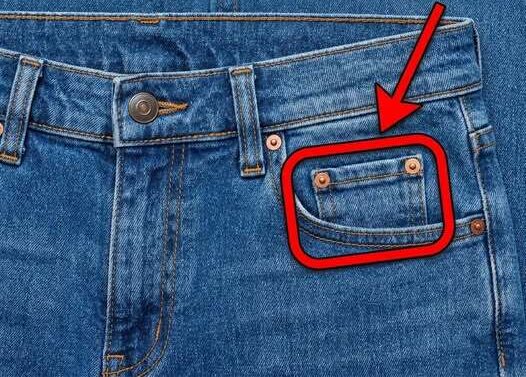
The Tiny Pocket On Jeans
The small fifth pocket on jeans is often too tiny for modern items, so many people assume it is useless. Its original purpose was to hold a pocket watch.
When pocket watches were commonly carried, this small pocket provided a secure place to keep one. The design remained even after pocket watches became less common.
Today, the pocket may be used for coins, small keys, or other tiny objects, but its shape reflects an older practical need.
Lines On A Red Cup
Some red plastic cups have visible lines around the outside. These lines are often seen as part of the cup’s shape, but they can also be used as rough measurement markers.
The lower line can represent a smaller pour, the middle line can correspond to a larger serving, and the upper line can mark a fuller amount. This makes the cup more than just a simple container.
Even if many people never use the lines that way, the design detail has become one of those small features that sparks curiosity once it is pointed out.
The Hole In A Pasta Ladle
A pasta ladle often has a hole in the center. While it helps water drain from cooked pasta, it can also be used as a portion guide.
Dry spaghetti can be placed through the hole to estimate a single serving size. This gives the utensil a second purpose before the pasta is even cooked.
It is a useful example of kitchen design that combines cooking, draining, and measuring in one simple tool.
Why Wooden Hangers Are Useful
Wooden hangers are often viewed as more attractive or sturdy than plastic and metal hangers. However, certain wooden hangers have a purpose beyond appearance.
Hangers made from cedar can help repel pests. This can reduce the chance of moths damaging clothing stored in a closet.
For delicate garments, coats, and clothing kept for longer periods, that extra protection can matter. The hanger is not just holding the clothing in place; it can also help protect it.
The Tiny Hole In A Padlock
Some padlocks have a very small hole near the lock mechanism. This hole is meant to help water drain out if the lock is exposed to rain or moisture.
Without drainage, water could collect inside and cause problems over time. The small opening helps reduce that risk by giving water a way to escape.
The hole can also make maintenance easier when a lock needs care. Though small, it plays a role in keeping the lock usable in outdoor conditions.
Expandable Ketchup Containers
Small fast-food ketchup containers are usually filled quickly and used without much thought. Their ribbed sides, however, allow them to expand.
By pulling the folds outward, the container becomes wider and can hold more sauce. This also makes dipping easier because the opening becomes larger.
It is a simple design that many people never use because they do not realize the container can change shape.
Extra Fabric Patches With Clothing
Some clothing comes with extra buttons and a small piece of matching fabric. Many people assume the fabric is only for patching a hole, but it can also be used in another way.
The small fabric piece allows the owner to test cleaning products, detergent, or stain treatments before using them on the actual garment. This helps prevent damage, discoloration, or unwanted reactions.
Instead of risking the full piece of clothing, the test can be done on the extra patch first. It is a practical detail included for garment care.
Chinese Takeout Containers
Chinese takeout containers have a folded shape that helps them hold food securely during transport. However, they can also be unfolded after the food is brought home.
When the sides are opened, the container can become a flat surface similar to a paper plate. This allows the food to be eaten without needing to transfer it to another dish.
The design helps the same container serve two purposes: carrying the meal and creating a surface for eating it.
Removable Car Headrests
Many car headrests can be removed from the top of the seat. They are primarily there to support the head and improve safety, but the removable design can also have emergency use.
If someone becomes trapped in a vehicle, the metal posts on the headrest may be used to strike a window. In a dangerous situation, that could help a person escape.
This is one of the more serious hidden functions on the list. A part of the car that usually goes unnoticed may become important during an emergency.
Small Details With Practical Purposes
These everyday examples show that ordinary design is often more intentional than it first appears. A small hole, tab, line, fold, or pocket may exist because someone tried to solve a real problem.
Some of these features are connected to safety. Others are meant to make daily tasks easier, cleaner, or more efficient.
What makes them interesting is that they are built into objects people use all the time. Because the items are so familiar, the useful details can become almost invisible.
Once the reasons are known, those same objects can feel different. A pen cap, a soda can, a pot handle, a pair of jeans, or a takeout container may no longer seem quite as ordinary.
Design does not always announce itself. Sometimes it sits quietly in the background, waiting for someone to notice why a small feature was placed there in the first place.