
Why Your Pillow May Need a Deep Clean More Often Than You Think
What Can Build Up Inside a Pillow Over Time
A pillow may look clean beneath a fresh pillowcase, but months of nightly use can leave behind much more than most people realize. Sweat, dead skin, dust, moisture and other invisible grime can gradually work their way beyond the pillowcase and into the pillow itself.
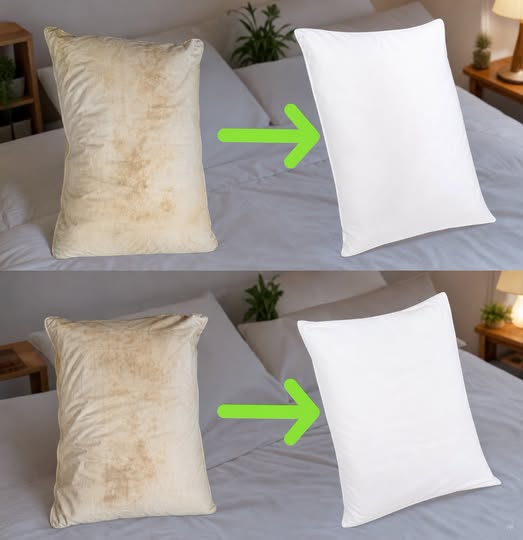
Because a pillow rests directly beneath your face for hours every night, keeping it fresh can make the entire bed feel cleaner and more comfortable. Yellow discoloration is often one of the clearest signs that a pillow has been absorbing moisture and residue over time.
Changing pillowcases regularly is important, but a pillowcase cannot completely prevent everything from reaching the pillow underneath. Night after night, small amounts of sweat and natural skin residue can pass through the fabric.
Eventually, a once-white pillow may begin to look yellow, feel less fresh and lose some of the softness and loft it had when it was new.
Why Pillowcases Are Not the Whole Solution
A clean pillowcase creates a fresh sleeping surface, but the pillow beneath it can still collect material over months of use. This buildup may be easy to ignore because most of it remains hidden until the pillowcase is removed.
When a pillow begins developing visible yellow areas, the change usually does not happen overnight. It reflects repeated exposure to moisture and residue during many nights of sleep.
Dust and microscopic particles can also settle into bedding. Combined with sweat, dead skin and humidity, they can make a pillow feel much less fresh than its clean outer covering suggests.
This is why occasionally cleaning the pillow itself can be useful rather than relying only on freshly washed cases.
Consider Washing Pillows Every Six Months
One simple routine is to wash pillows at least once every six months. This gives you an opportunity to remove accumulated residue instead of allowing it to remain inside the pillow indefinitely.
Before washing anything, however, check the care label attached to the pillow. Different pillows can contain different materials, and the label provides the clearest indication of whether the pillow can be placed in a washing machine.
Many pillows are more durable than people assume and may be suitable for machine washing. A quick check before beginning can help avoid damaging a pillow that requires different care.
If the label indicates that machine washing is appropriate, the cleaning process can be surprisingly straightforward.
Wash Two Pillows at the Same Time
When using a washing machine, placing two pillows in the machine at once can help keep the load balanced. A single large pillow can become heavy with water and may shift unevenly during the wash cycle.
Two pillows positioned together can distribute that weight more evenly. This simple step can make the washing process smoother while allowing both pillows to be refreshed at the same time.
Begin by removing all pillowcases and protective covers. The pillows themselves should be washed separately from the cases so the water and cleaning mixture can reach the fabric directly.
Once the pillows are loaded, add the detergent you normally use for laundry.
A Simple Cleaning Combination
Along with your regular detergent, the cleaning routine can include half a cup of baking soda. Baking soda is commonly included in this method as part of the effort to freshen pillows that have absorbed odors and residue over time.
A few drops of lavender essential oil can also be added for fragrance. The goal is to leave the pillows feeling refreshed while giving them a light, pleasant scent after washing.
After adding the detergent, baking soda and a few drops of lavender essential oil, run a regular washing cycle if the pillow’s care instructions permit it.
The process does not require complicated equipment or a long list of specialized products. For washable pillows, the basic routine can be incorporated into an ordinary laundry day.
Do Not Forget About Moisture
Cleaning is only part of keeping a pillow fresh. Moisture also matters, particularly because pillows naturally encounter sweat and humidity during sleep.
One easy morning habit is to remove the pillowcases and allow the pillows to air out. Opening the windows can bring fresh air into the bedroom while giving bedding an opportunity to release moisture.
Rather than immediately covering everything after waking, letting pillows breathe for a period can help reduce the damp environment created during the night.
Sunlight can also be useful as part of this airing routine. Allowing pillows to receive sunlight can help keep them feeling dry and fresh while reducing the humidity that can contribute to an unpleasant sleeping environment.
Why Morning Airing Can Make a Difference
During several hours of sleep, your face and head remain in close contact with the pillow. Even if you do not notice visible moisture, small amounts of perspiration can collect in bedding.
If the pillow is immediately covered and the room remains closed, that moisture has less opportunity to escape.
Opening the room to fresh air and exposing bedding to sunlight creates a simple daily routine that requires almost no effort. It can complement deeper cleaning by preventing pillows from remaining continually trapped in a humid environment.
This does not replace washing, but it can help maintain freshness between deeper cleaning sessions.
What to Do When a Pillow Starts Looking Flat
Cleanliness is not the only issue that develops with older pillows. After repeated nightly use, pillows can also lose their original shape and begin to look compressed or lifeless.
A flat pillow may appear ready for replacement even when it is still usable. Before deciding to discard it, another method may help restore some of its loft.
A steam cleaner can be used as part of a refreshing routine for a pillow that has begun to look tired and flattened. Steam can help revive the pillow’s appearance and give it a fresher feel.
This can be particularly useful when the pillow seems worn mainly because it has become compressed rather than because it is completely unusable.
A Fresh Pillow Can Change How the Bed Feels
Fresh sheets and clean pillowcases can make a bedroom feel inviting, but a deeply cleaned pillow can add another level of freshness. Because the pillow sits directly beneath your face, even a small improvement can make the sleeping area feel noticeably cleaner.
A pillow that has been washed, thoroughly refreshed and allowed to air out can feel very different from one that has quietly accumulated months of residue.
The difference is not simply visual. Removing yellow discoloration, stale odors and built-up grime can make an older pillow feel much closer to the condition it had when it was newer.
Instead of automatically replacing a pillow when it begins looking tired, washing and refreshing it may extend its useful life.
Build Pillow Cleaning Into Your Bedding Routine
It is easy to remember sheets because they are removed and replaced frequently. Pillows, however, often remain on the bed for months or years while only their outer cases receive regular washing.
Creating a reminder to clean washable pillows approximately every six months can prevent that task from being forgotten.
The routine can remain simple: check the care label, remove the cases, wash two pillows together for balance, add regular detergent and half a cup of baking soda, and use a few drops of lavender essential oil if desired.
Between washes, allow pillows to breathe in the morning by removing the cases occasionally, opening windows and letting sunlight reach the bedding.
If a pillow begins losing its shape, refreshing it with steam may help restore some of its fullness before you decide it needs to be replaced.
A Small Cleaning Habit With a Noticeable Result
Pillows are used for hours every night, yet they can easily become one of the most overlooked items in a cleaning routine. Their appearance beneath a clean pillowcase can make them seem protected even while residue slowly accumulates underneath.
Yellow stains and a flattened shape do not necessarily mean a pillow must immediately be thrown away. For pillows that are suitable for washing, a thorough cleaning can remove much of the buildup and restore a brighter, fresher appearance.
The process is manageable enough to become part of an occasional home-care routine rather than a difficult deep-cleaning project.
Checking the label first remains important, because the pillow’s material determines whether machine washing is appropriate. Once that has been confirmed, washing two at a time can help keep the machine balanced.
Regular detergent, half a cup of baking soda and a few drops of lavender essential oil provide a simple approach for refreshing washable pillows. After cleaning, allowing them to air properly is just as important as the wash itself.
Daily or occasional exposure to fresh air and sunlight can also help combat the moisture and humidity that bedding experiences during normal use.
And when pillows start appearing flat, steam can offer another way to refresh them and restore some of their loft.
A pillow may seem like a small detail in the bedroom, but it spends every night directly beneath your face. Giving it occasional attention can turn a yellowed, tired-looking pillow into something that feels significantly cleaner, brighter and more inviting.