
Mysterious Mud Towers Appearing in Yards Have a Surprisingly Simple Explanation
An Unusual Sight in the Lawn
Many homeowners are surprised when they walk outside after a rainy night and discover strange towers of mud rising from the ground.
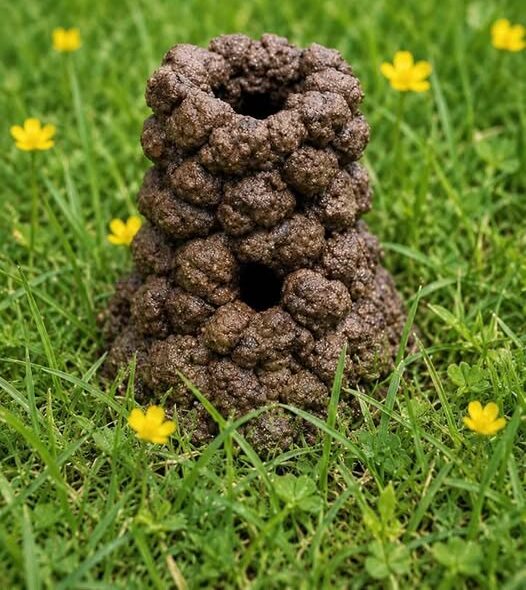
These formations often stand several inches tall and feature a perfectly round opening in the middle, giving them the appearance of tiny chimneys built overnight.
At first glance, the structures can seem alarming or even unnatural. Some people assume they were created by insects, snakes, or burrowing mammals hiding beneath the yard.
In reality, the explanation behind these odd mud towers is far less frightening and much more fascinating.
The True Source of the Mud Chimneys
The structures are commonly built by burrowing crayfish, a type of crayfish that spends much of its life underground instead of in streams or ponds.
Unlike the crayfish most people recognize from lakes and waterways, these species prefer moist soil where they can create deep underground tunnel systems.
Because they are mostly active at night, homeowners rarely witness the construction process. The towers often seem to appear suddenly by morning.
These crayfish typically measure between three and six inches long and are highly adapted to life below the surface.
How the Towers Are Constructed
The mud towers are not random piles of dirt.
Each structure is carefully built using small pellets or balls of wet soil collected from underground.
The crayfish use their claws to dig through the earth and transport the mud upward. Instead of scattering it around the entrance, they stack it in layers around the opening.
This creates the distinctive chimney shape that many people notice in damp lawns or low-lying areas.
The result is a narrow tower with a visible central hole leading directly into the burrow beneath the ground.
A Purpose Beyond Appearance
The chimneys serve an important purpose for the crayfish living below.
The tower helps regulate airflow within the underground tunnel system while also maintaining the humidity needed for survival.
Burrowing crayfish rely on moist conditions to breathe properly and avoid drying out.
The carefully arranged mud pellets create a natural ventilation structure that keeps air circulating throughout the burrow.
What may look unusual to people is actually a highly effective engineering solution created entirely by nature.
Why Certain Yards Attract Crayfish
Burrowing crayfish are especially drawn to wet environments with soft soil and high moisture levels.
Homes located near ponds, marshes, drainage areas, or regions with heavy groundwater are more likely to experience these mud chimneys.
Lawns that receive frequent irrigation may also provide ideal conditions for crayfish activity.
The moist soil allows the animals to dig deep tunnels while maintaining the cool, humid environment they need underground.
Areas rich in decaying plant matter and small organisms can also provide a reliable food source.
Recognizing a Crayfish Burrow
Crayfish chimneys have several features that distinguish them from ant hills or other underground nests.
The mud is usually arranged vertically in stacked pellets rather than spread into a loose mound.
The opening at the center is often easy to spot and leads downward into a deep tunnel system.
Location is another clue.
These structures frequently appear in damp or poorly drained parts of a yard, while many insect nests are more common in dry, sunny locations.
The towers can vary in height, but most measure between three and six inches tall.
The Hidden World Underground
Beneath the small chimney lies a surprisingly complex underground network.
The burrows may contain multiple tunnels and chambers extending several feet below the surface.
These spaces provide shelter from predators, protection during dry weather, and stable moisture levels.
The underground environment also helps the crayfish survive changing outdoor temperatures.
While only the mud chimney is visible above ground, the majority of the structure remains hidden below the lawn.
Do the Burrows Damage the Yard?
In most cases, crayfish burrows are not considered dangerous to lawns or gardens.
In fact, their digging activity can improve soil aeration and help water move deeper into the ground.
The tunnels created beneath the surface may even contribute to healthier soil conditions in some areas.
However, a large number of burrows can sometimes create uneven patches that make mowing or walking less convenient.
For many homeowners, the towers are more unusual than harmful.
Managing Crayfish Activity Safely
Homeowners who prefer not to have mud chimneys in their yard can take several humane steps to reduce crayfish activity.
Improving drainage and reducing excessive moisture can make the environment less appealing for burrowing.
Flattening the chimneys may temporarily remove the structures, although crayfish often rebuild them.
Avoiding harsh chemicals or pesticides is important because these substances can damage nearby wildlife and disrupt the local ecosystem.
When burrows become excessive, consulting a wildlife or pest management professional may provide the safest solution.
An Important Part of the Ecosystem
Burrowing crayfish play a meaningful role in maintaining healthy soil and supporting biodiversity.
Their underground activity contributes to natural soil movement and creates pathways that allow air and water to circulate more effectively.
The presence of crayfish can also indicate that the surrounding environment remains biologically active and capable of supporting various forms of wildlife.
Although the sudden appearance of mud towers may initially seem strange, they are signs of an active ecosystem functioning beneath the surface.
A Reminder of Nature’s Hidden Activity
Many people spend years caring for their lawns without realizing how much activity takes place underground every day.
The appearance of these mud chimneys offers a rare glimpse into a hidden world that normally goes unnoticed.
What appears to be a mysterious overnight structure is actually the result of careful work carried out by a small nocturnal creature.
The towers stand as evidence of nature’s ability to create complex and purposeful structures even in ordinary residential yards.
The next time a mysterious mud chimney appears in the lawn after rainfall, its tiny builder may already be safely hidden below the surface, continuing its quiet work underground.